



Chapter 1: Opening Zone
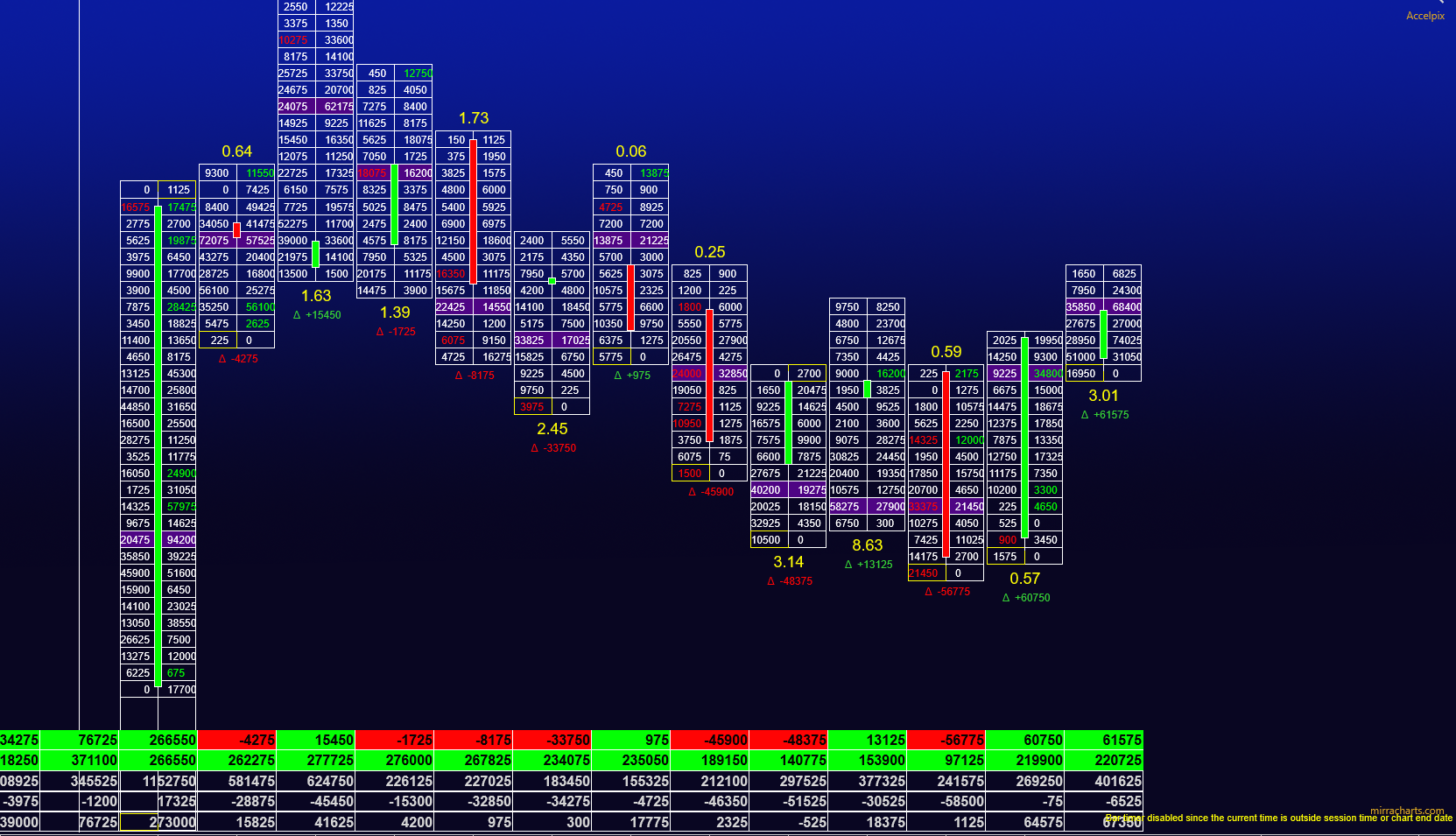
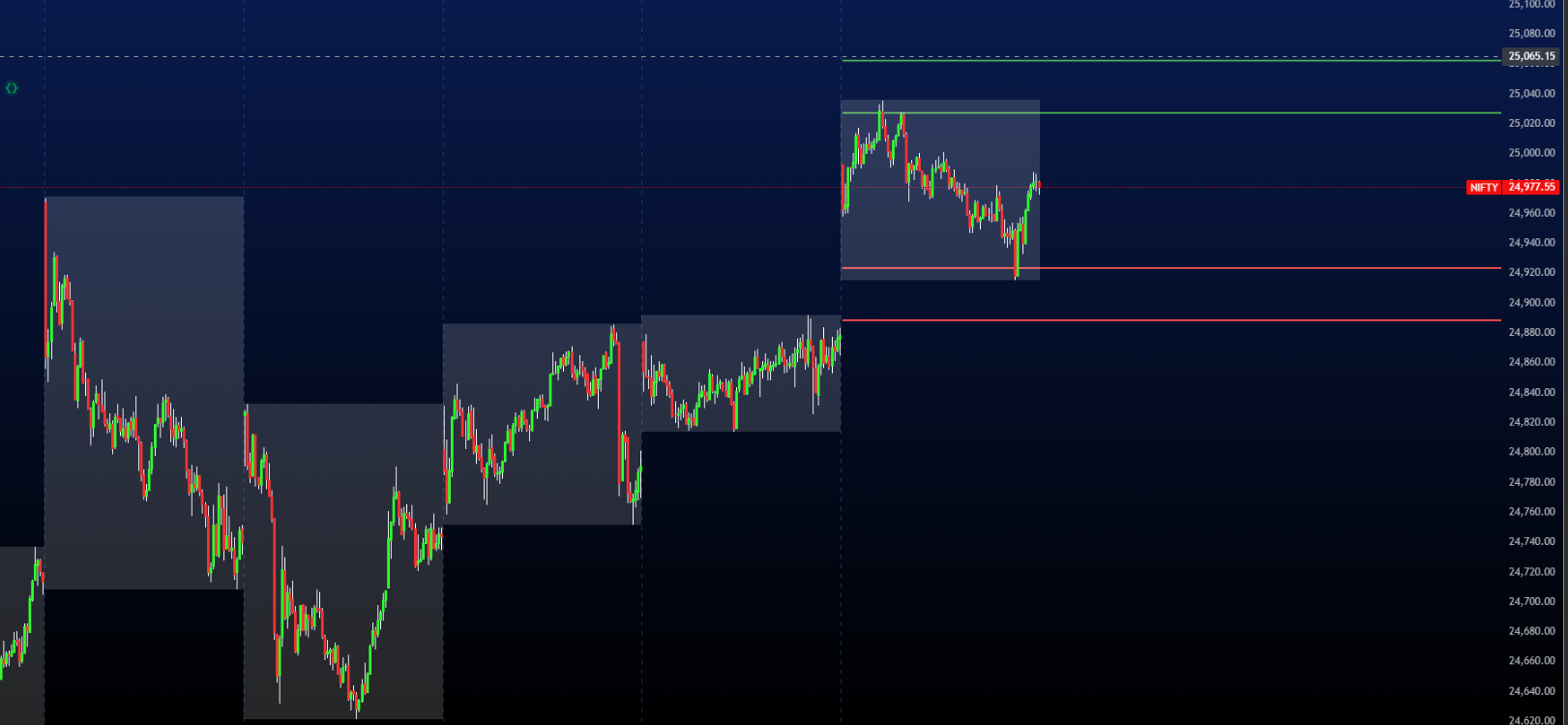
On 10th September, Nifty opened with an impressive gap up of 122.40 points at 24,991, reaching an intraday high of 25,035.70 and a low of 24,915.05. The index closed slightly bullish at 24,973.10, up by 104.50 points (0.42%) for the day. However, the volatility index (VIX) dropped by 1.4%, signaling reduced market turbulence.
Chapter 2: Early Movement
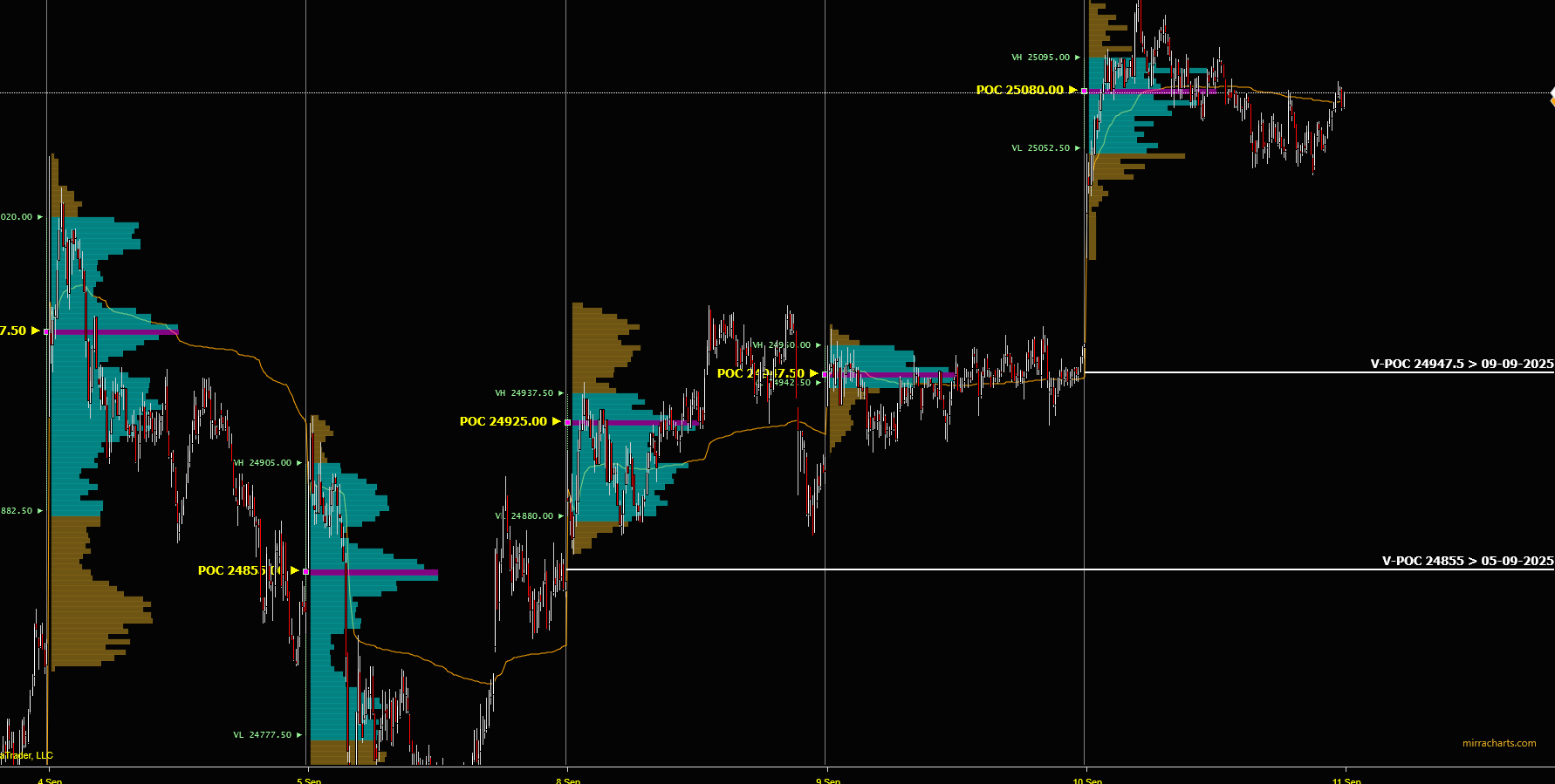
The market showed strong buying interest at the open, with a positive delta of 48,375 in Nifty futures and a delta percentage of 16%, indicating buyer strength. Despite this, Nifty struggled to sustain above the critical 25,000 level, which acted as a strong resistance due to the previous high volume point of control (VPOC). The market showed absorption behavior with large orders controlling both sides, resulting in sideways movement. A single print observed in the first hour may provide a key support zone for the next day. With put open interest rising at 25,000, a cautiously bullish move is anticipated, but maintaining hedged positions is advised to avoid sudden adverse moves.
Bonus Point: Price Zones
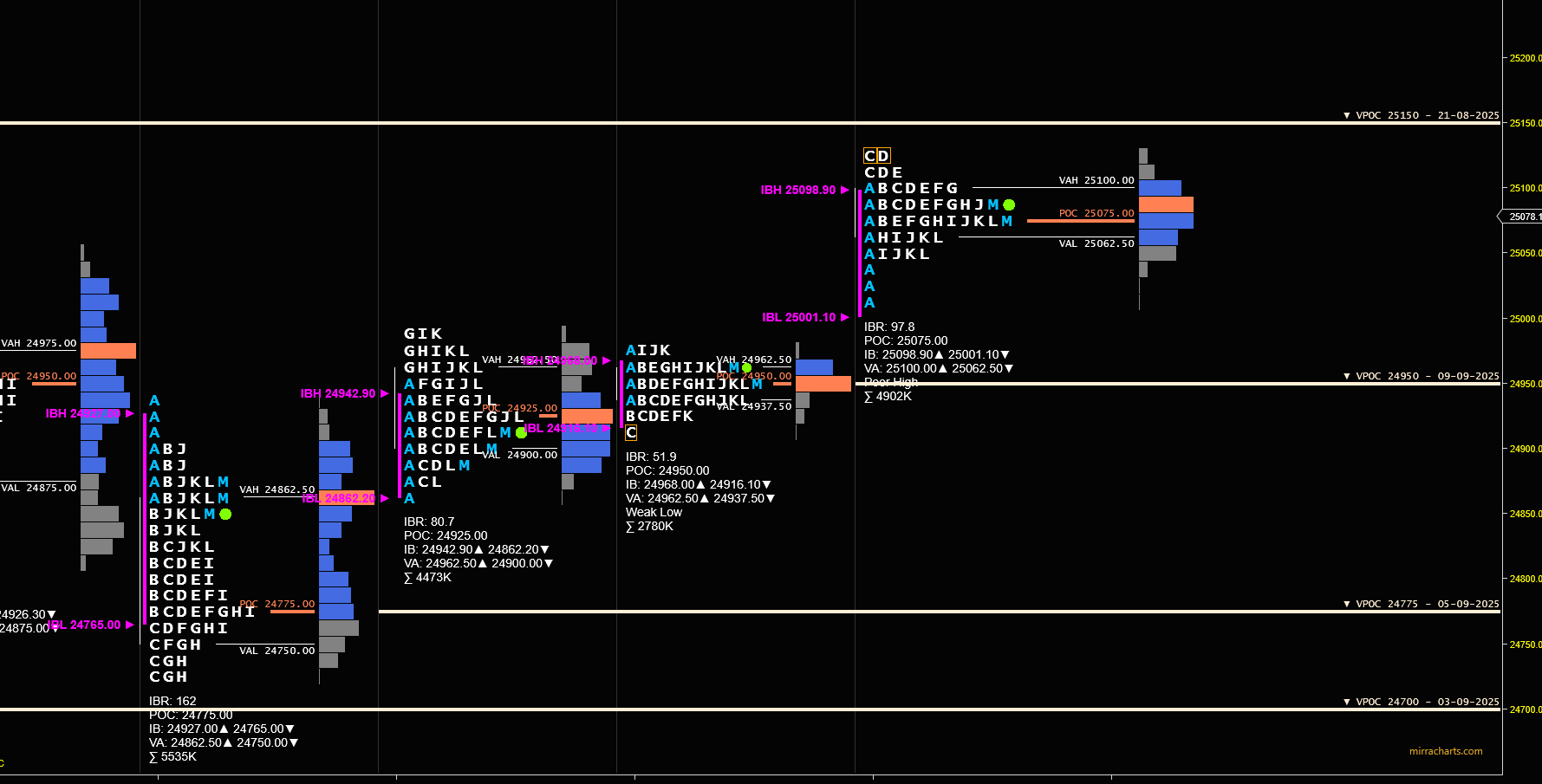
- Point of Control (POC): 24,965
- Value Area High: 25,000
- Value Area Low: 24,950
- Support Level: 24,850
- Resistance Level: 25,000
These zones are crucial in forecasting short-term market behavior and managing trades effectively.
Chapter 3: Open Interest Overview
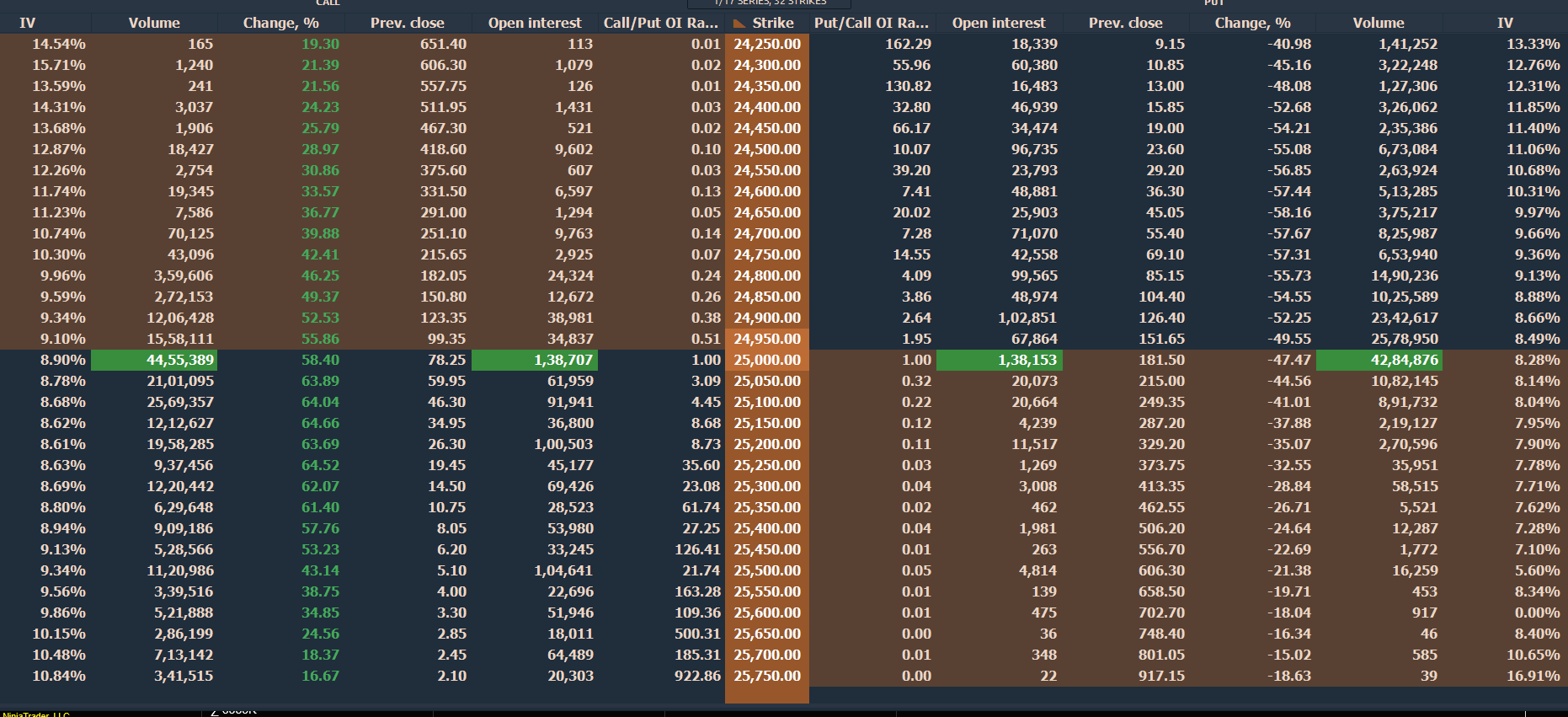
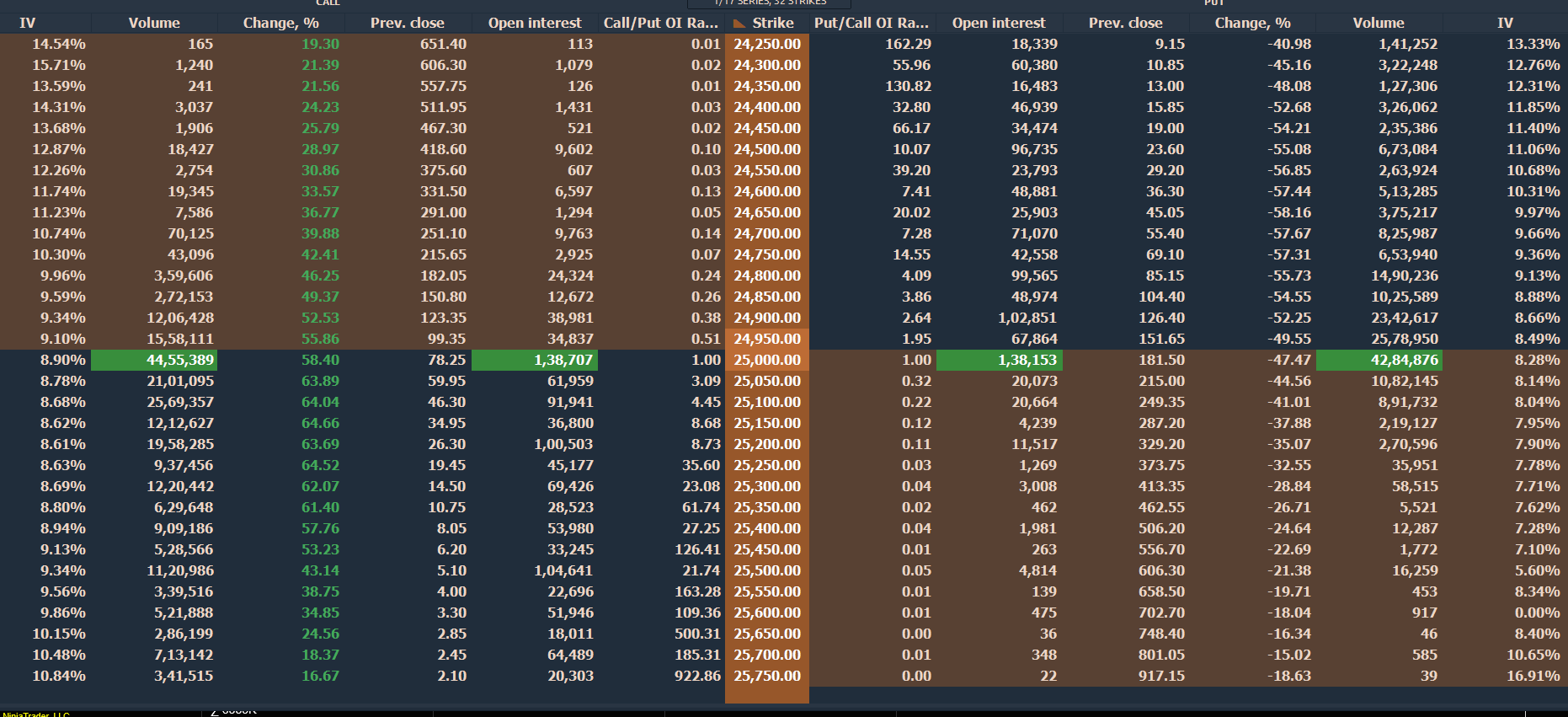
Both call and put open interest at 25,000 remain strong, indicating traders are preparing for a significant price battle around this strike. The balance of open interest corroborates the sideways nature of the market, with participants positioning for potential volatility spikes ahead of the next week’s expiry.
Chapter 4: Volatile Market Dynamics
Contrary to the previous day, today’s volatility was relatively low due to the calm before the upcoming expiry week. Premiums saw minimal changes, creating a neutral environment favoring option sellers. However, this low volatility can quickly shift, warranting prudent risk management like hedging to protect profits.
Chapter 5: Sectoral Movement
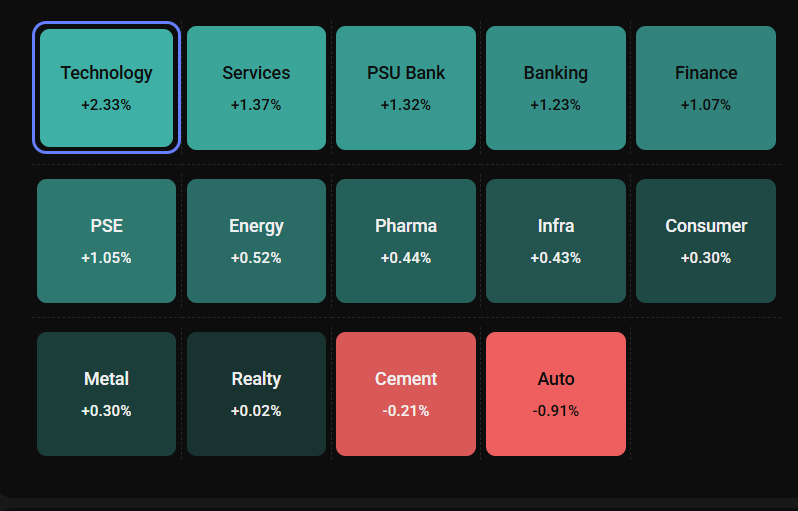
Sector-wise, the auto sector faced losses, whereas consumer discretionary and technology sectors led gains, reflecting selective sectoral strength in a broadly cautious market.
Chapter 6: Global News Impact
Global trade developments influenced market sentiments. The ongoing dialogue between the US and India for a trade reset, and the reported Trump administration’s push for 100% tariffs on China, alongside India’s diplomatic pressure on Putin, added layers of geopolitical uncertainty affecting market direction.

My Trade Insight
Today, I initiated a non-directional strategy in the morning to balance market uncertainty. As the market neared closing, I wisely exited my selling positions and switched to a long strangle. This adjustment was driven by the significantly low volatility, which could lead to increased volatility soon and subsequently cause losses in short positions. I plan to reassess and make further position adjustments tomorrow based on the evolving market scenario. This flexible hedging approach highlights the importance of adapting to dynamic volatility conditions to protect capital and capitalize on market moves.
Why Was the Market Slightly Bullish with Low Volatility Today?
The market opened strong on positive global cues and earnings but hit resistance around the crucial 25,000 mark due to trader caution and significant option open interest. The low VIX indicated reduced fear and lower expected swings, leading to subdued premium movement and a consolidation phase typical ahead of major expiry. This environment favored sellers but also underlined the need for hedging against sudden volatility spikes.
Disclaimer
This blog is for educational purposes only. The author is not SEBI registered and does not endorse any trading platform or product. Market investments carry risks; always consult a qualified financial advisor before trading. The thoughts shared here are personal and subject to error. Use them as learning tools only.
Comments are closed