


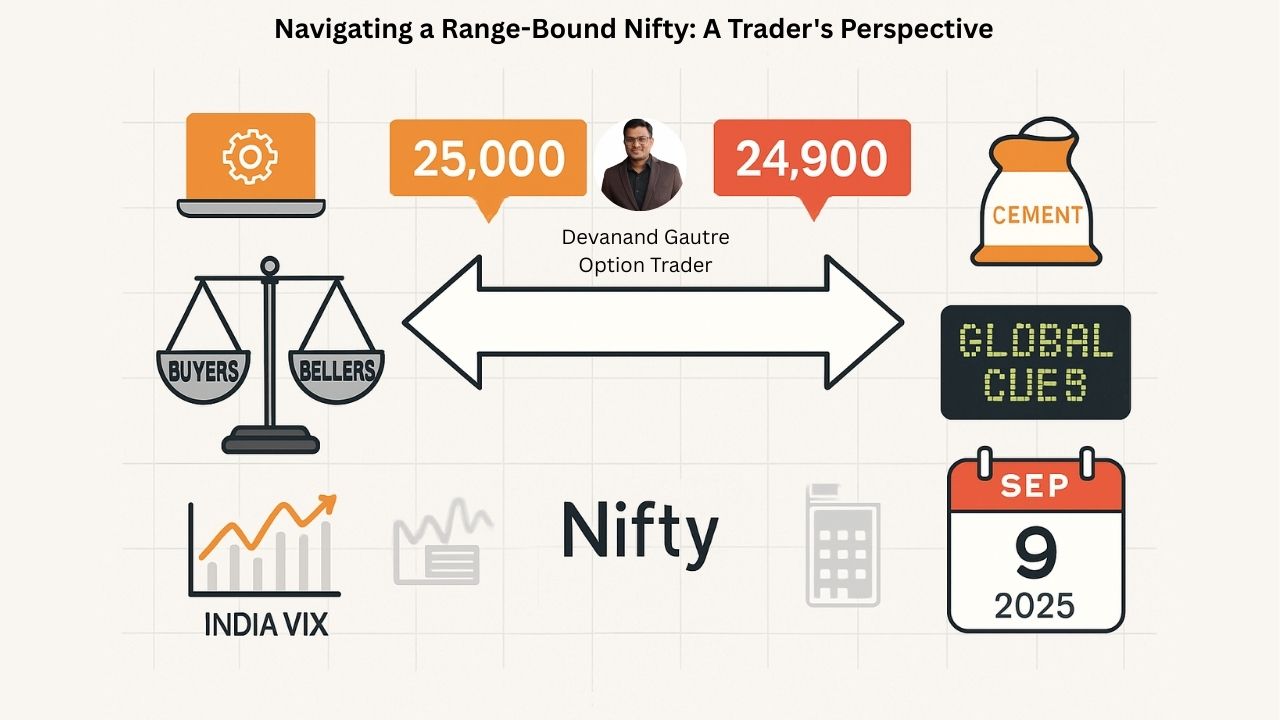
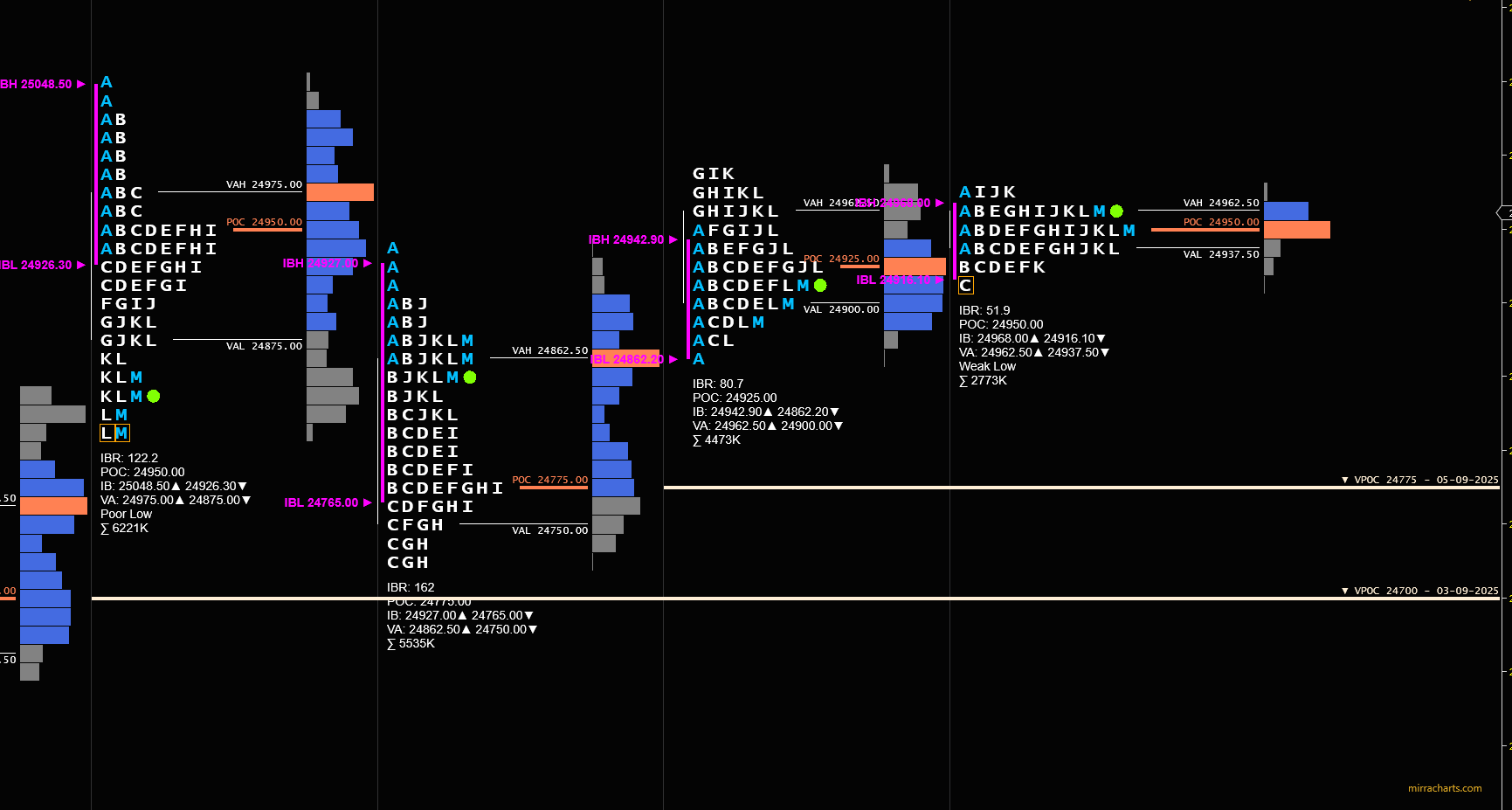
Today’s session was a masterclass in market indecision, with the Nifty caught in a tight range despite a strong gap-up opening. This type of “silent” market can be frustrating for directional traders but presents a golden opportunity for those who employ volatility-based strategies, like the hedged options you successfully traded. Here’s a breakdown of the key drivers and what to expect next.
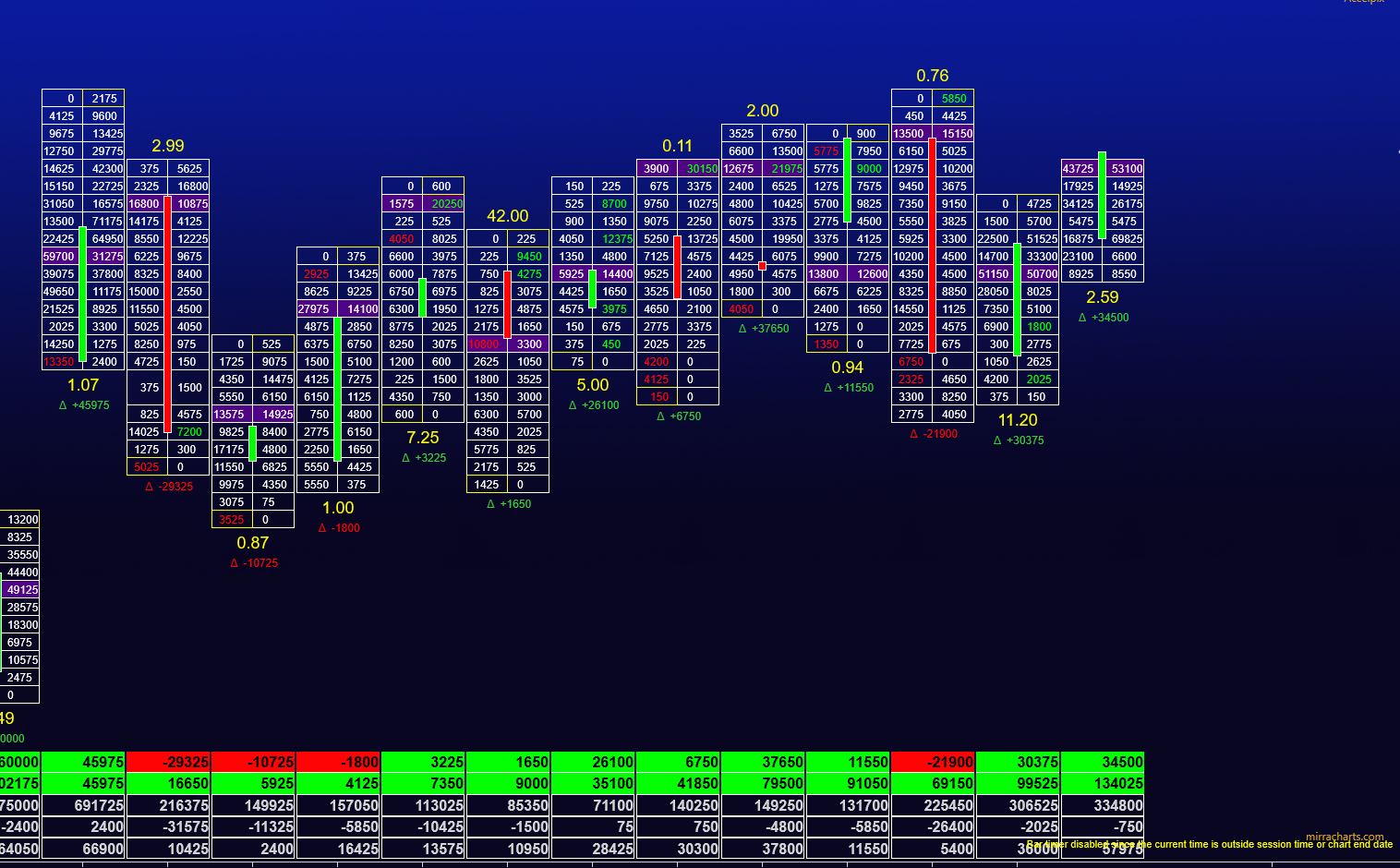
Market Analysis: The Gap-Up That Went Nowhere
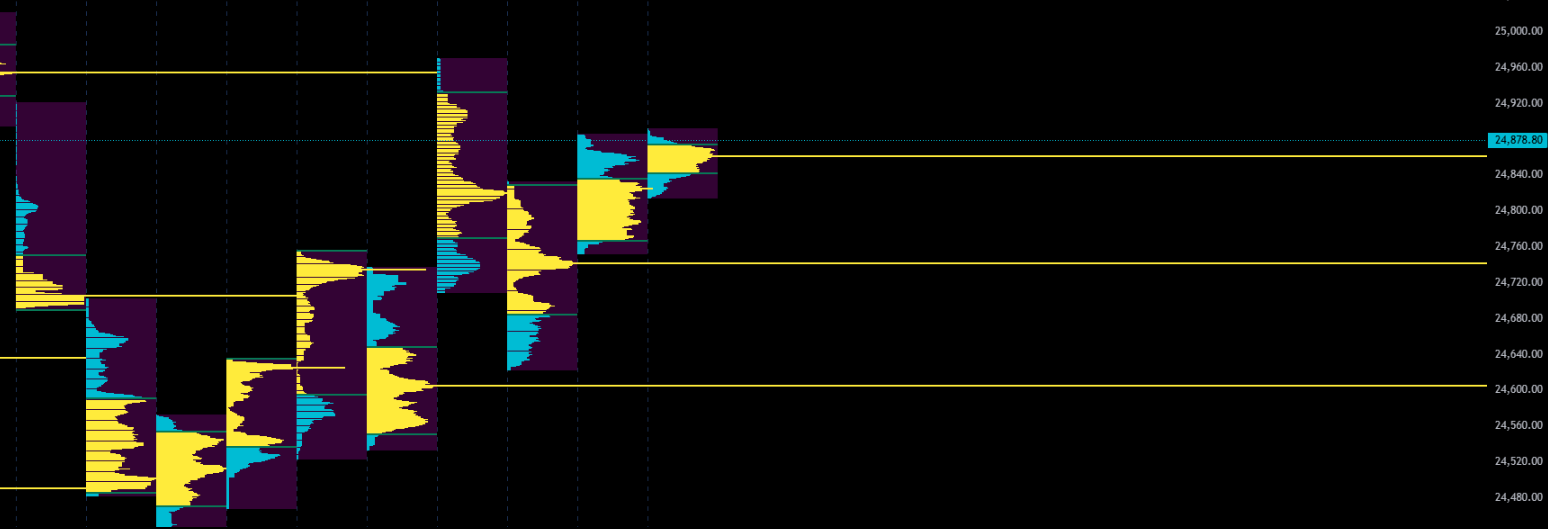
The Nifty started the day with a significant gap-up of over 90 points, fueled by positive global cues. The initial surge took the index to an intraday high of 24,891.80. However, this bullish momentum quickly faded. The market was unable to sustain its rally, primarily because it encountered a selling fair value gap (FVG) from the previous day. This FVG acted as a strong resistance zone, preventing further upward movement.
Simultaneously, the index found solid support from the Point of Control (POC) of the previous session. As you correctly observed, this dynamic created a “sandwich effect,” trapping the Nifty between a key resistance level and a crucial support zone. This is a classic setup for a range-bound or sideways market, which is why the index remained relatively flat for most of the day, closing up a modest 95.45 points (0.39%).
The drop in the India VIX (volatility index) by 1.38% further confirmed this consolidation. A lower VIX suggests that market participants expect less volatility, which makes it an excellent environment for options sellers who profit from time decay (theta). Your strategy of selling options while hedging your position was perfectly suited for today’s market conditions.
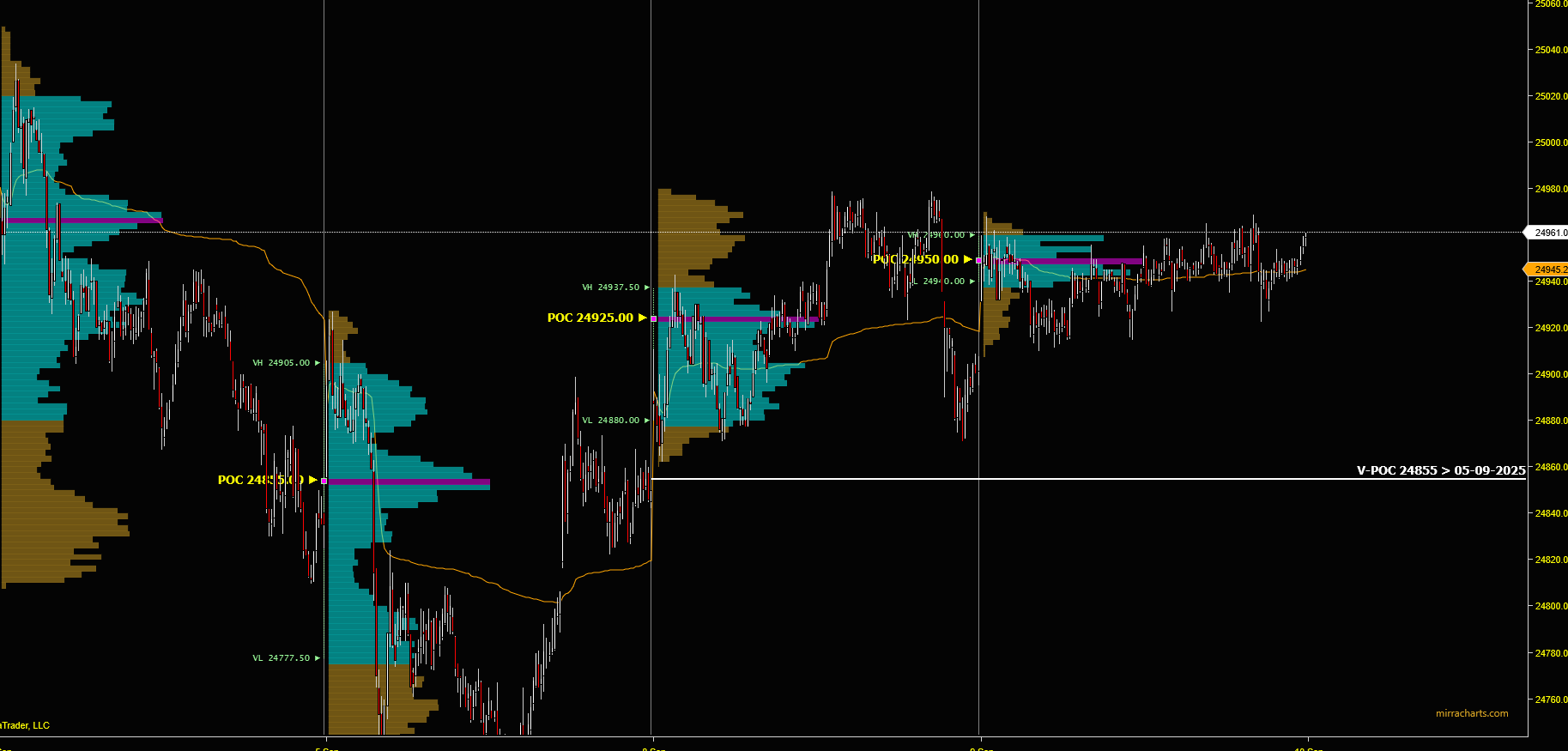
Why the Market Was Volatile and Why it Didn’t “Go Down”
The apparent contradiction of a flat-to-up market being described as “volatile” can be confusing. The volatility you experienced wasn’t a directional one (a large move up or down), but rather intraday volatility. The market had significant swings within a narrow band, with buyers and sellers constantly battling without a clear victor. This is what creates those choppy, indecisive movements that make it difficult for traders looking for big directional moves.
While the market did not “go down” in terms of its closing price, there was a visible pullback from the intraday high. This small decline happened as the market hit the previous day’s selling FVG. The technical term for this is a “liquidity grab” at higher levels, where sellers enter the market to take profits or initiate new short positions, pushing the price back down. This is the reason for the price falling after the initial gap-up.
Looking Ahead: Key Levels to Watch
For the Nifty to break out of this consolidation phase, it must decisively cross one of the two key levels you mentioned.
- Above 25,000: A sustained move and close above this psychological and technical resistance level could trigger a fresh upward rally, attracting more buyers and potentially paving the way for new all-time highs.
- Below 24,900: A breakdown below this level could signal a shift in momentum, indicating that sellers are gaining control, and could lead to a further decline.
The open interest data supports this view, with calls being reduced at the 25,000 level and puts increasing at 24,850. This indicates that while there’s resistance at the higher level, option traders are building a solid support base just below the current price.
In the meantime, the market is likely to remain in this range-bound consolidation. As you noted, this is a great time for strategies like short straddles and short strangels as a falling India VIX and sideways price action are ideal for options selling.
Global & Sectoral Influences
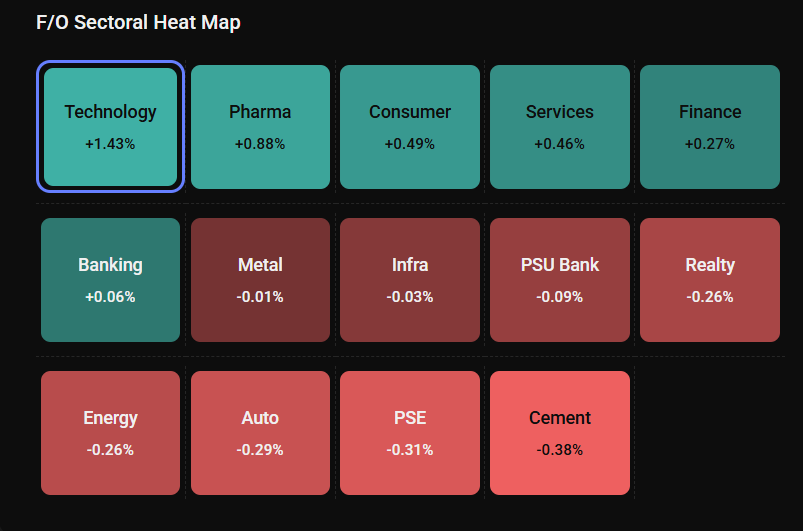
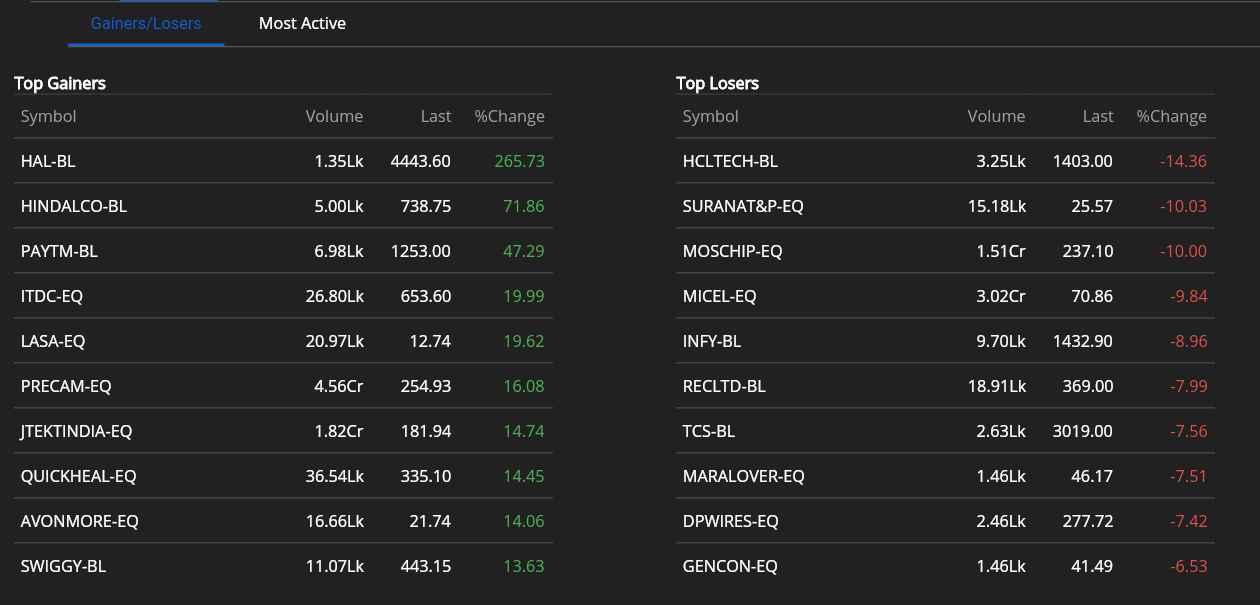
On the sectoral front, Technology stocks were the main gainers, likely driven by positive cues from the US Nasdaq, which recently hit a new record high. This highlights the ongoing influence of global market sentiment on Indian indices. On the other hand, the Cement sector saw losses.
From a global perspective, the market is closely watching upcoming inflation data from both India and the US. These data points will be crucial in determining future monetary policy decisions by central banks, particularly the US Federal Reserve. Furthermore, news about the Indian rupee and the finalization of the trade pact with Qatar adds to the complex web of factors influencing the market’s direction.
(Disclaimer: This blog is for educational purposes only. The views expressed are based on market analysis and should not be considered financial advice. All investments in the securities market are subject to market risks. Please consult your financial advisor before making any investment decisions.)
Comments are closed