


Market Recap and Analysis
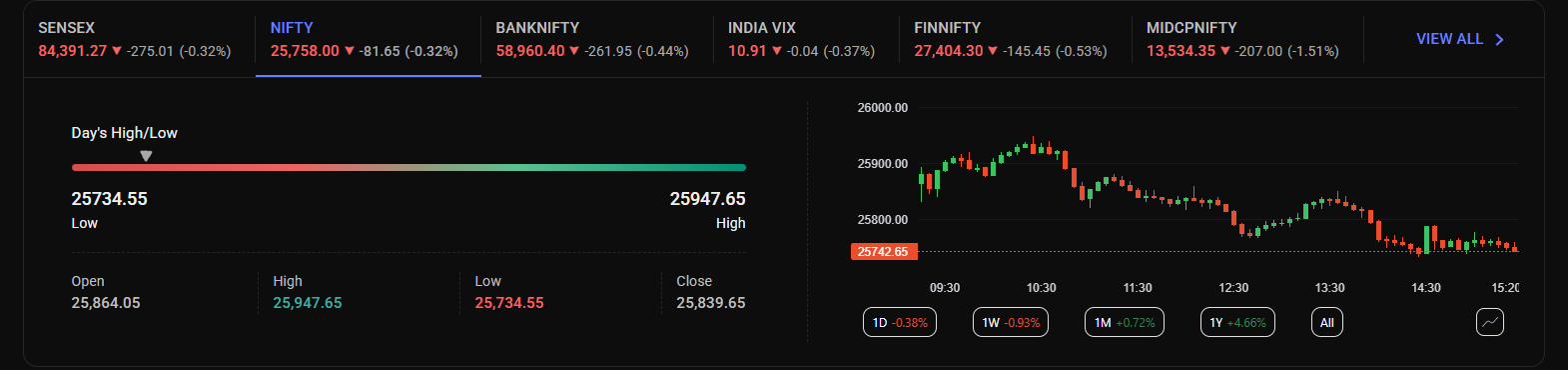
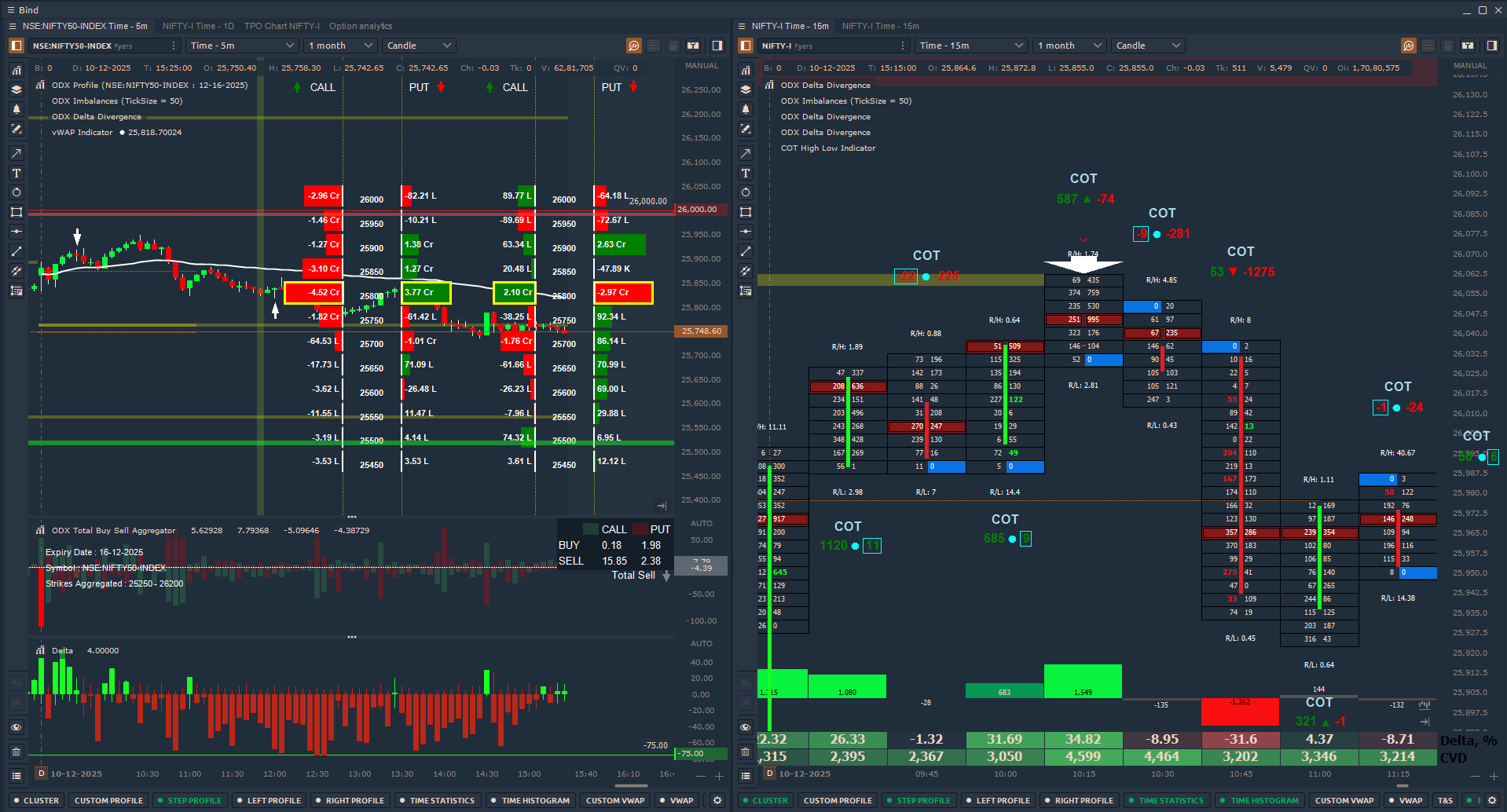
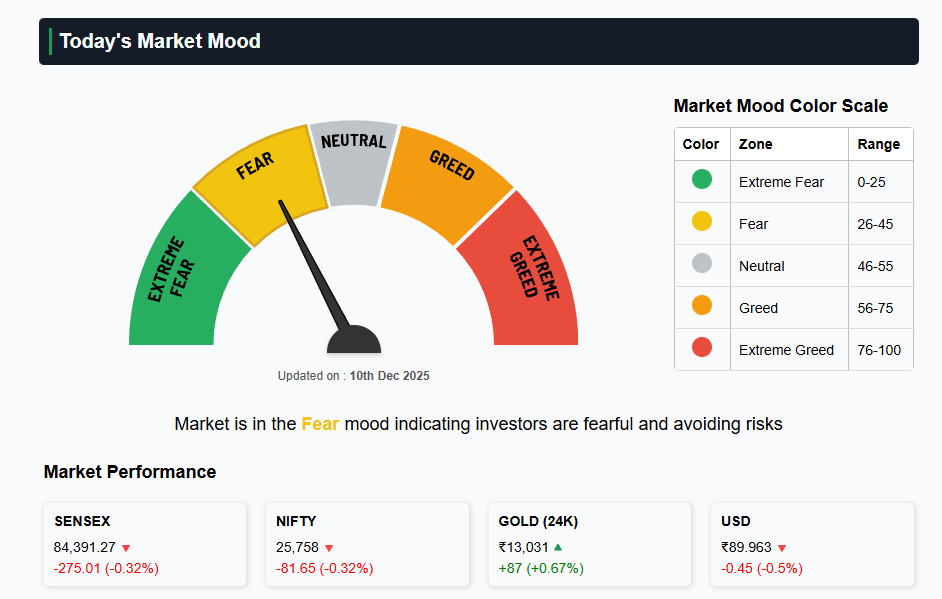
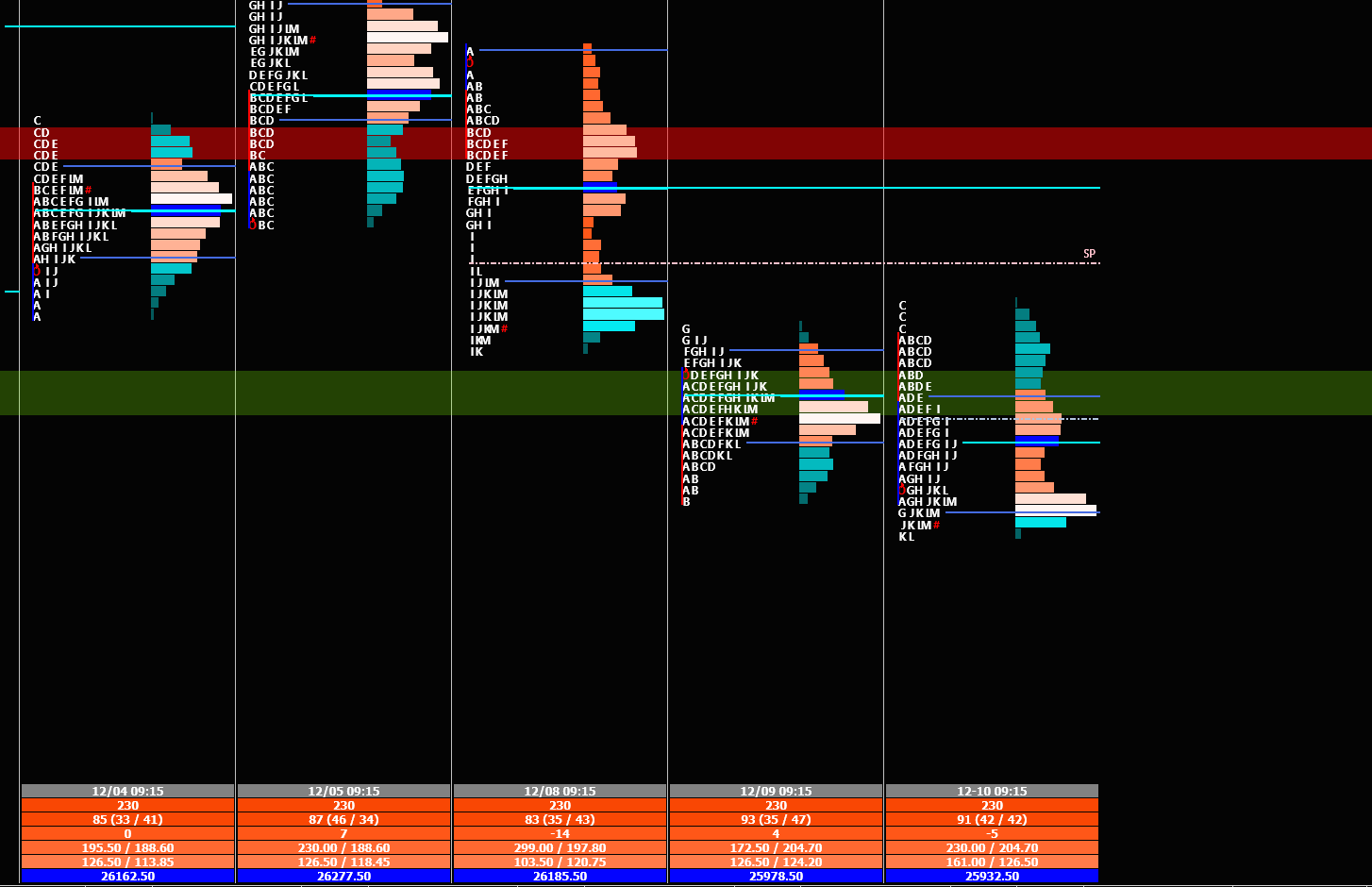
Today’s trading session in the Indian stock market was full of unexpected moves and emotional swings for traders. The Nifty 50 index opened with a small gap-up by 24.40 points at 25,864.05, reaching a high of 25,947.65 and a low of 25,734.55, before finally closing at 25,758, down 81.65 points (-0.32%).
Despite an optimistic start, selling pressure returned near the 25,950 zone, marking a sharp 200-point intraday drop. This move was driven by profit booking ahead of the crucial U.S. Federal Reserve rate decision expected tonight.
The India VIX (Volatility Index) fell by 0.37%, resting at 10.91, indicating low volatility despite the decline — suggesting that traders are cautious but not panicked.
Logic Behind My Trade
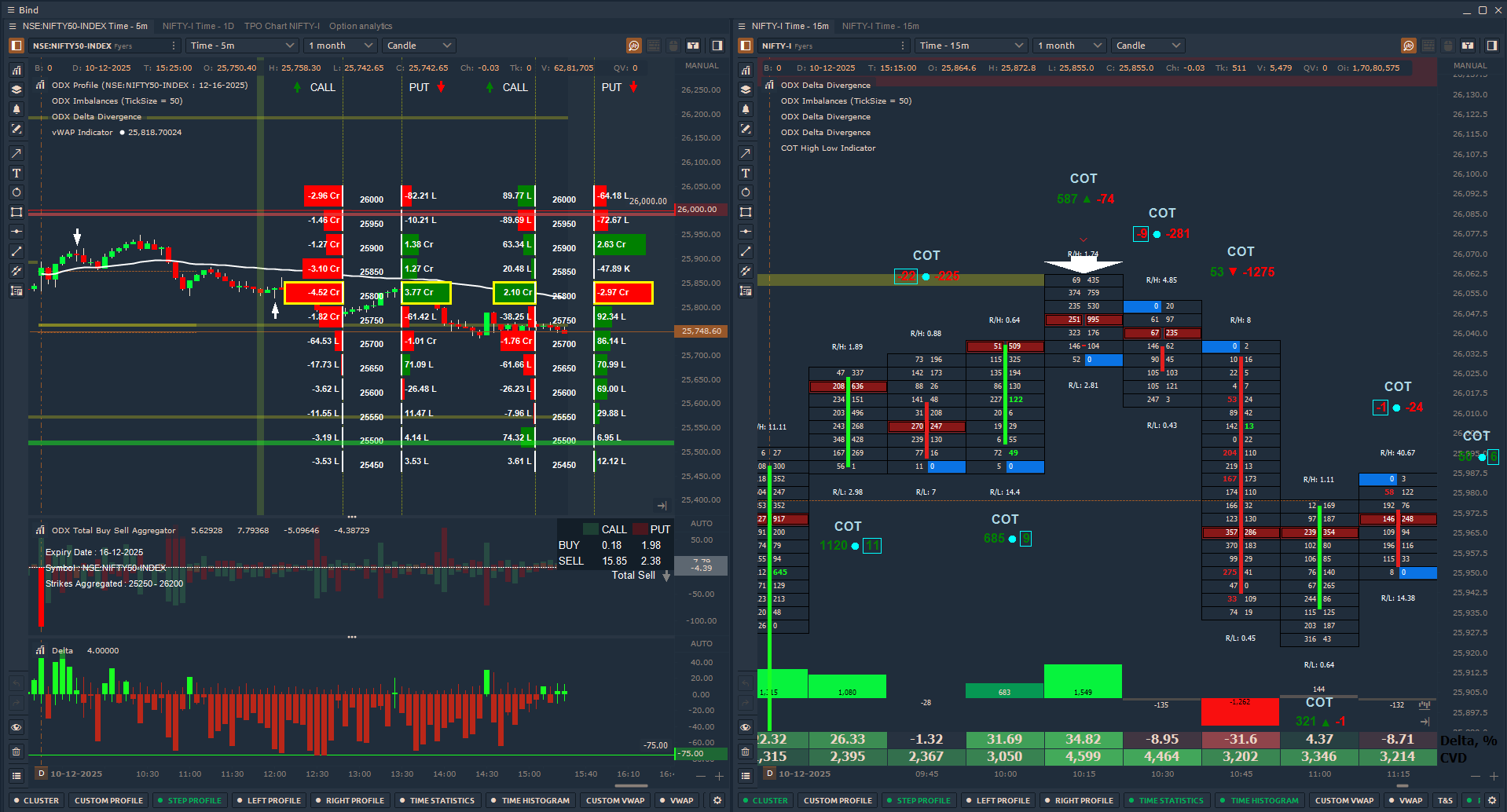
From a global macro perspective, I was expecting weakness in the Indian market today due to uncertainty before the Fed’s interest rate announcement. When the market retested the 25,900–25,950 level, I used my “Triple Down” short strategy, entering gradually into short positions.
My setup was well-hedged, so I wasn’t concerned about any potential gap-up or gap-down risk for tomorrow. This disciplined risk management approach allowed me to trade confidently through the volatility.
Market Summary: Key Observations
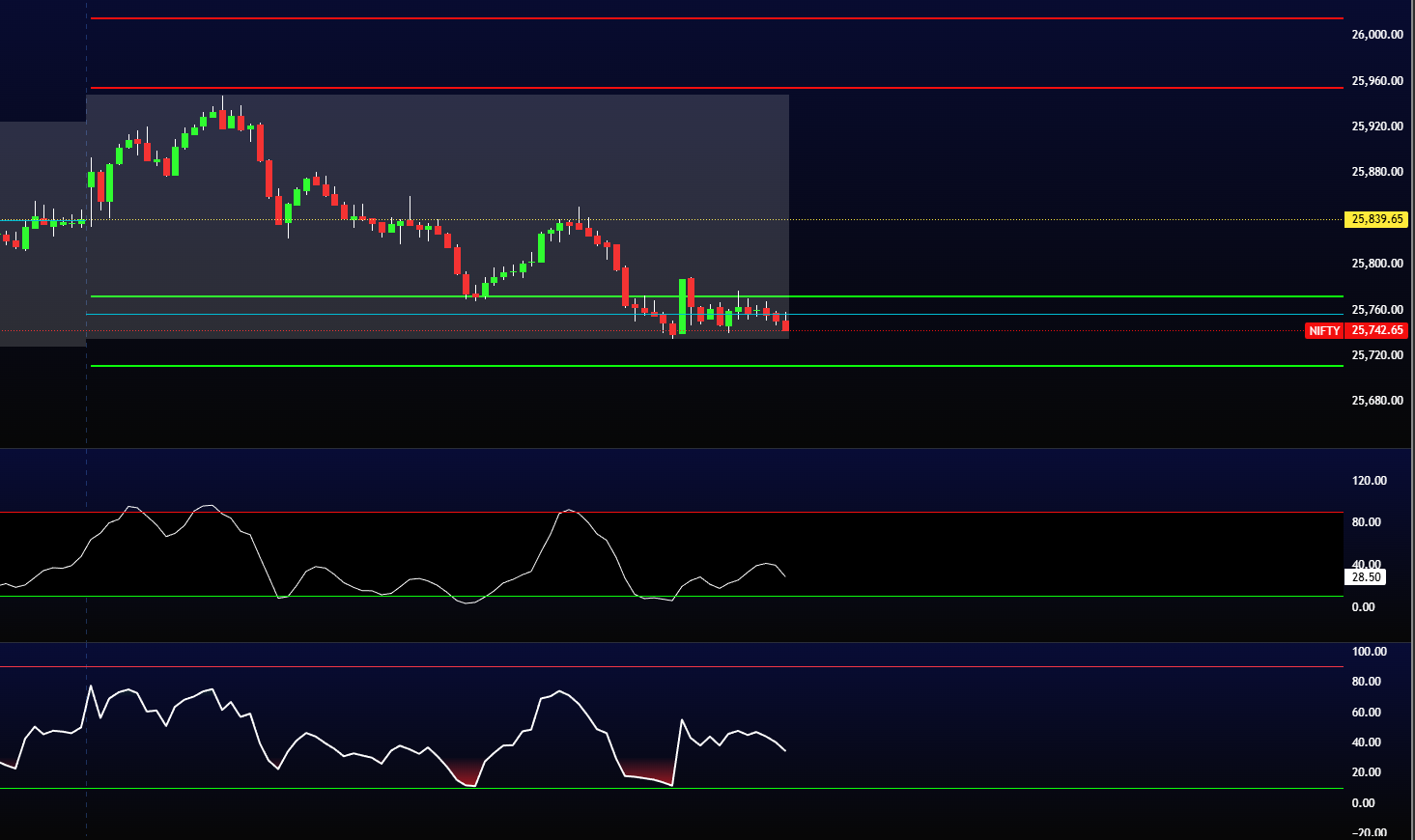
- Nifty opened gap-up defying early Gift Nifty suggestions of a gap-down.
- In the first 5 minutes, delta was 19,725, with a maximum delta of 37,200 during the session.
- Heavy selling emerged near yesterday’s high and today’s intraday top, pushing the market down by nearly 200 points.
- The Fed rate decision remains a key global event driving trader sentiment.
This move highlights that pre-market commentary—whether from YouTubers or Gift Nifty levels—can’t accurately predict the day’s direction. The best practice is to wait for market opening confirmation and trade based on price action and actual market structure.
Bonus Educational Point for Traders
- Avoid making quick trading decisions based solely on Gift Nifty or social media analysis.
- On expiry days, be extra careful while buying options, as theta decay accelerates rapidly.
- Don’t expect a ₹2 option to turn into ₹200 overnight—the probability of that happening is almost zero.
- Always manage risk and avoid averaging losing positions in a trending market.
Remember, options trading is not inherently risky; it’s designed to manage and control risk when used correctly.
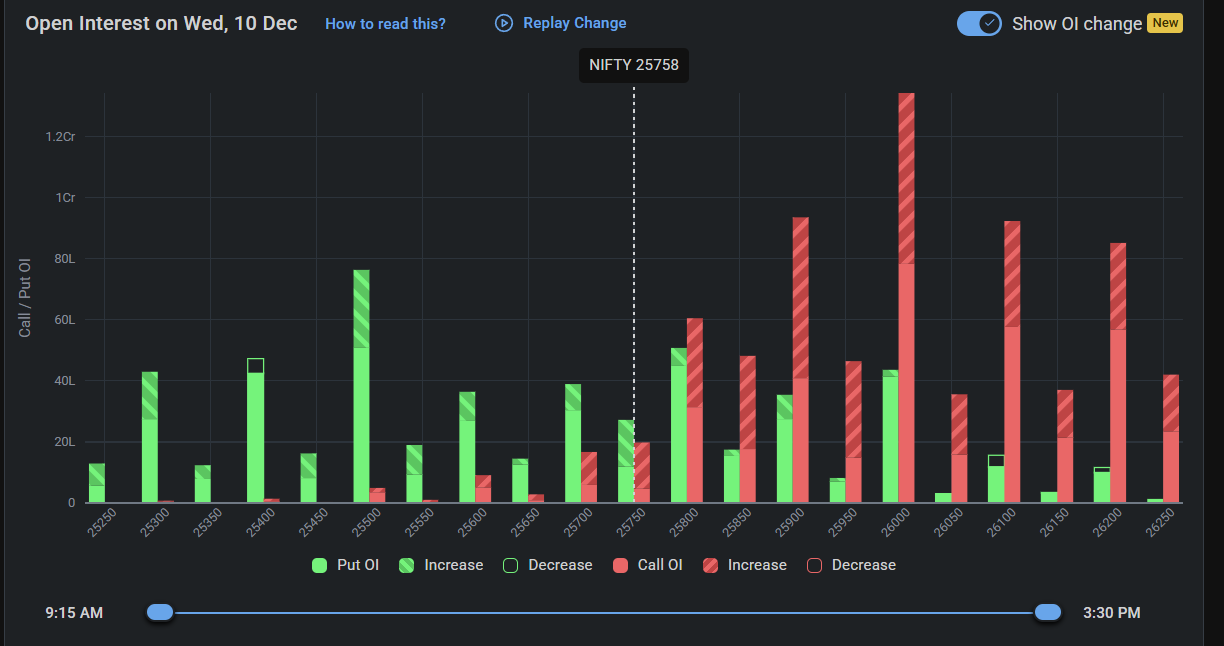
Open Interest Data (16 December 2025 Expiry)
- Maximum Call OI: 26,000 level
- Maximum Put OI: 25,500 level
This indicates a defined resistance near 26,000 and support around 25,500, making that the key trading range to watch for upcoming sessions.
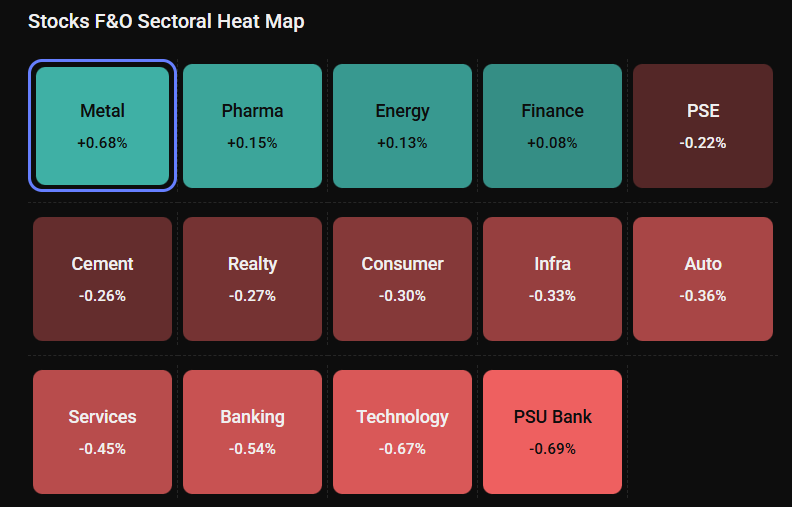
Sectoral Performance
- Top Gainer: Metal Sector – showing relative strength due to rising global commodity prices.
- Top Loser: PSU Bank – under pressure amid rising bond yields and concerns over NPA provisions.
Global Market Factors
- Indian Rupee slipped after a volatile session as global investors await the Fed’s policy decision.
- India–EU trade talks are progressing, but uncertainty remains as the final deadline approaches, adding mild pressure to export-heavy sectors.
- Traders across global markets remain cautious as the Fed’s tone on rate policy will influence short-term FII flows into Indian equities.
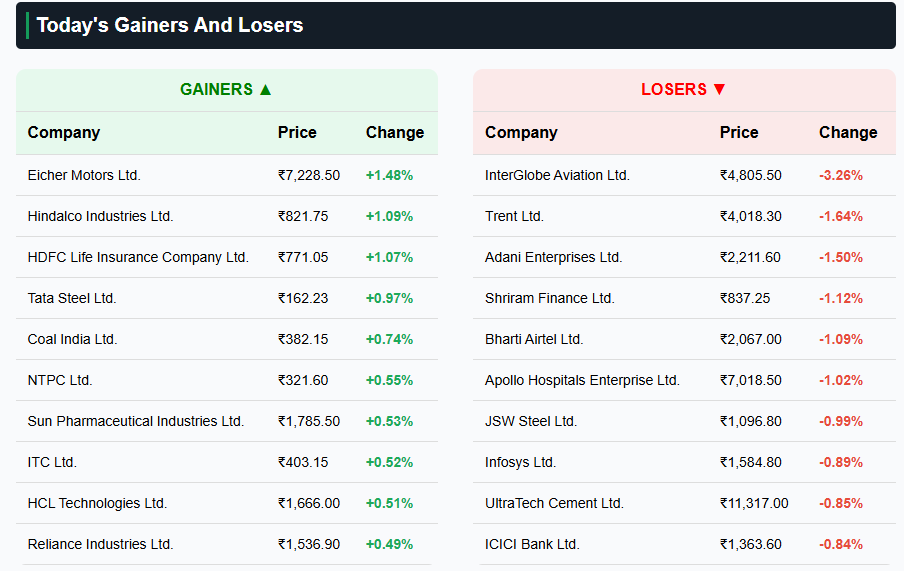
Conclusion: Why Nifty Fell Today
Although Nifty opened higher, the rally lost momentum as traders preferred to book profits before the U.S. Fed meeting. Weakness in key sectors like banking, muted volumes, and a low VIX signaled indecision rather than panic. As uncertainty continues, volatility may rise in the coming sessions.
For now, stay hedged, avoid overtrading, and let the post-Fed session reveal the next directional move.
Disclaimer
I am not a SEBI-registered analyst. This analysis is for educational and learning purposes only. Financial markets involve risk — consult your financial advisor before investing or trading. I do not promote any products, trading platforms, or paid courses. The intention is to share insights and remove the misconception that options trading is purely risky; in reality, it’s a powerful risk management tool when used correctly.
Comments are closed