


Market summary
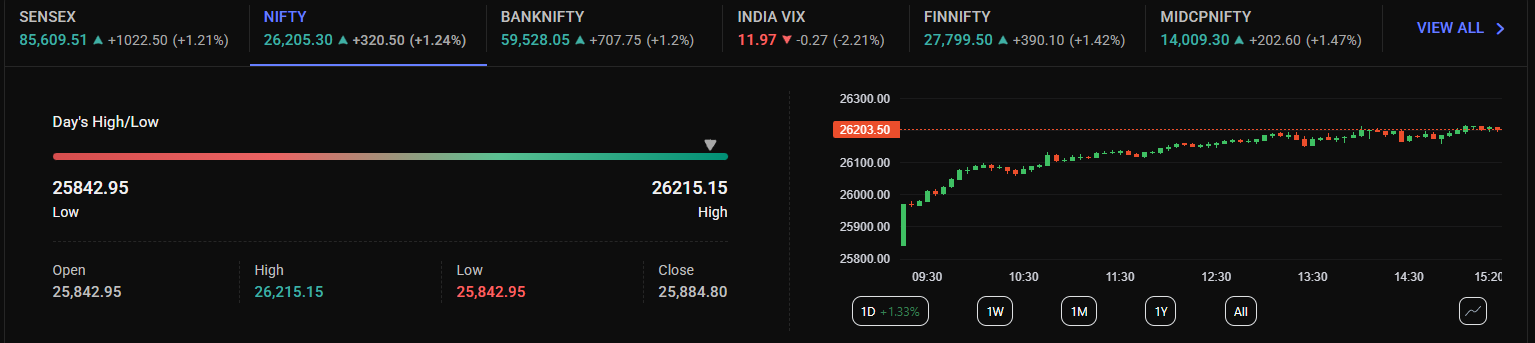
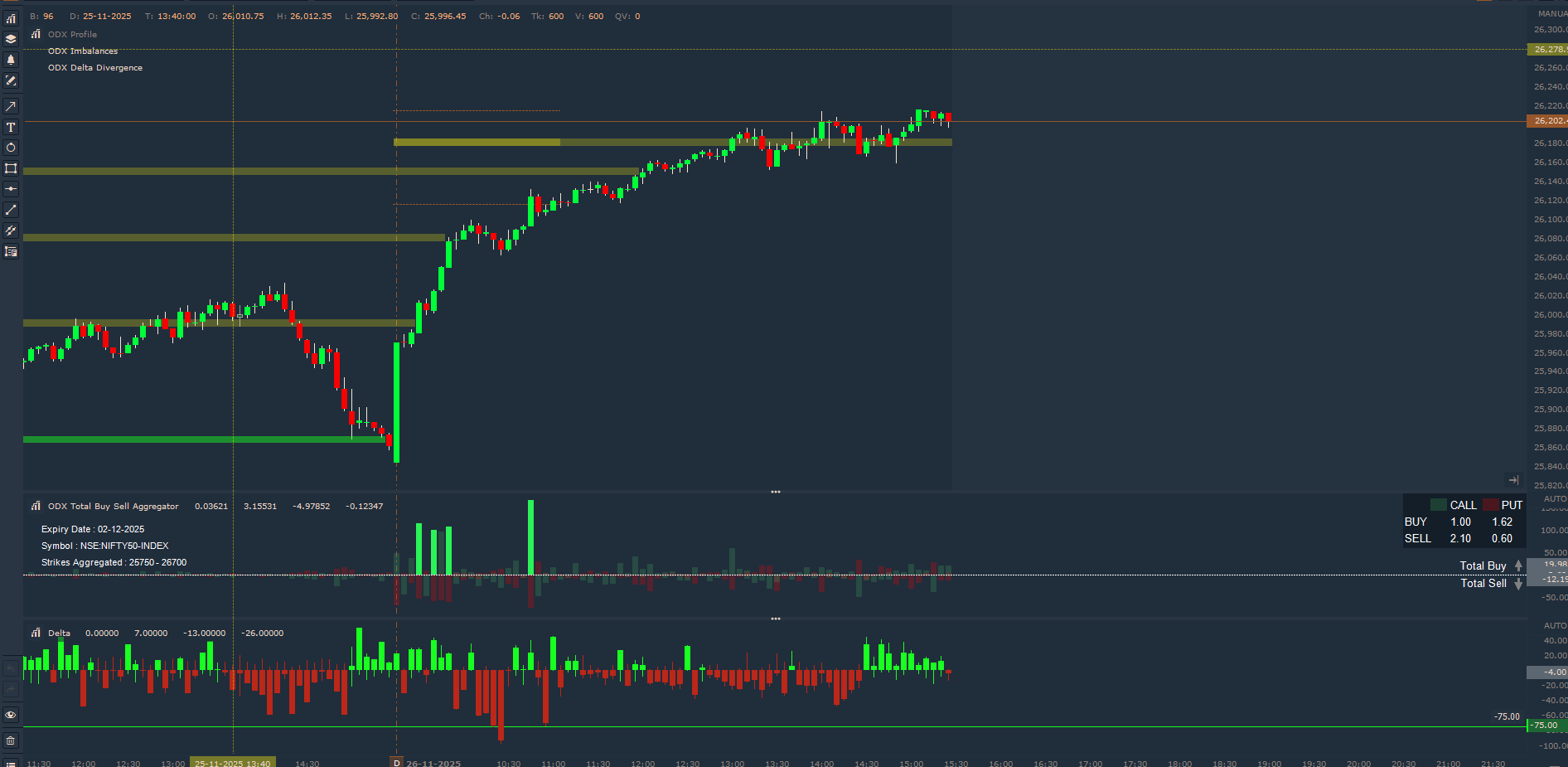
Nifty opened with a small gap down of 41.85 points at 25,842.95, but buyers immediately took control, pushing the index to a high of 26,215.15 while the low remained at the opening print, showing clear one‑way buying pressure. Your mentioned close around 26,205.30 aligns with exchange data, capturing an intraday swing of nearly 372 points from low to high and a net gain of about 320.5 points (1.24%) for the day. India VIX dropped roughly 2–2.5% to around 11.9–12.0, signaling that traders were aggressively writing options and pricing in lower near‑term volatility despite the big index move.
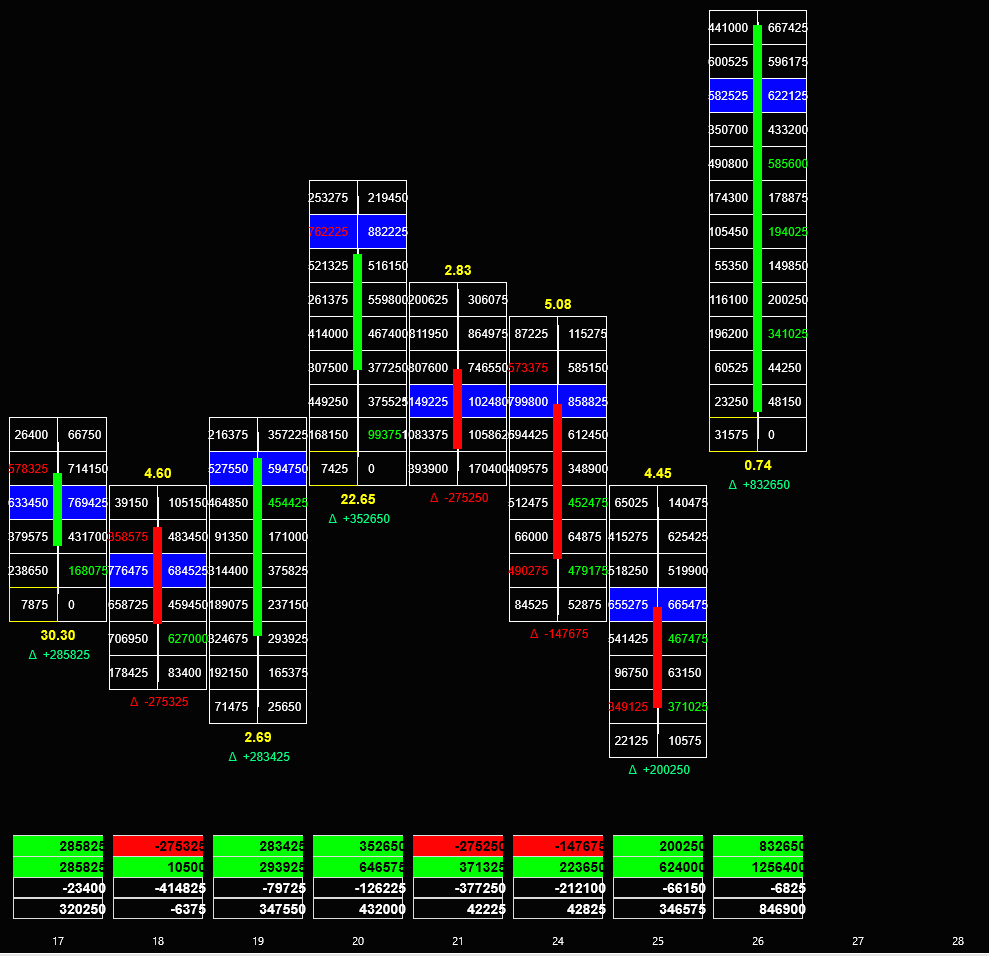
From the opening bell, the order‑flow picture clearly favored the bulls. In the first 5 minutes, delta near +70,875 and then around +1,26,375 by 9:35 AM reflect very strong aggressive buying, with buyers consistently lifting offers and absorbing any small bouts of supply. This kind of sustained positive delta, combined with the fact that the day’s low is equal to the open, effectively confirms a trend‑day up structure where pullbacks are shallow and late shorts are forced to cover into strength.
Gift Nifty had only hinted at a positive bias, but the actual cash market open quickly outperformed the pre‑market indication as local equities tracked the stronger‑than‑expected global risk‑on move. There was effectively “no respect” for traditional intraday support–resistance zones: once buying started in the first 5 minutes, the market moved up in a near non‑stop fashion, with short covering and fresh long build‑up driving Nifty to close firmly above the 26,200 region.
Why Nifty rallied 320 points
A big part of today’s historic rally came from global macro tailwinds. US and European markets extended their up‑moves on growing expectations that the US Federal Reserve will begin cutting interest rates soon, which boosted risk appetite across Asian and emerging markets. Lower global bond yields and the prospect of easier liquidity typically favor growth and cyclical plays, and India, as a key emerging market, benefited from this global “risk‑on” environment.
FII flows also showed signs of stabilising, with foreign investors turning net buyers again in the previous session and pessimism around India gradually easing. At the same time, crude oil remains subdued near recent lows, which is positive for India’s macro as a major oil importer and supports themes like lower inflation expectations and better corporate margins, further encouraging institutional buying in domestic equities.
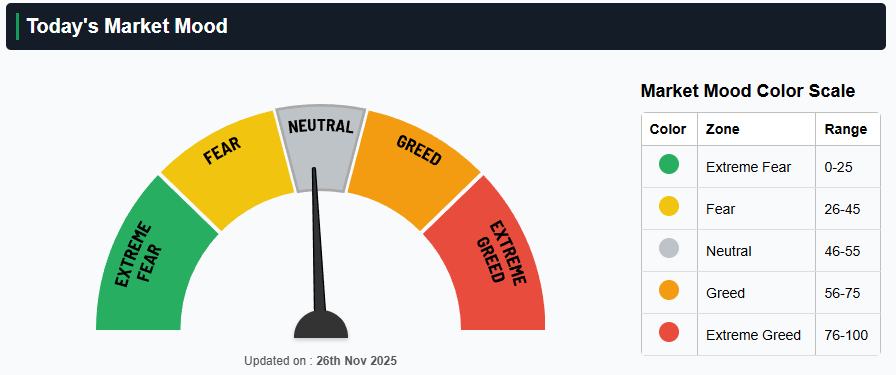
Your intraday delta readings align perfectly with this backdrop. With such strong aggressive buying from the open, option writers on the call side were squeezed, and their short covering added fuel to the rally. The fact that India VIX fell even as Nifty rallied sharply shows that traders shifted from fear to confidence, preferring to sell volatility and bet on a more stable uptrend instead of a sudden reversal.
Technical points – intraday levels
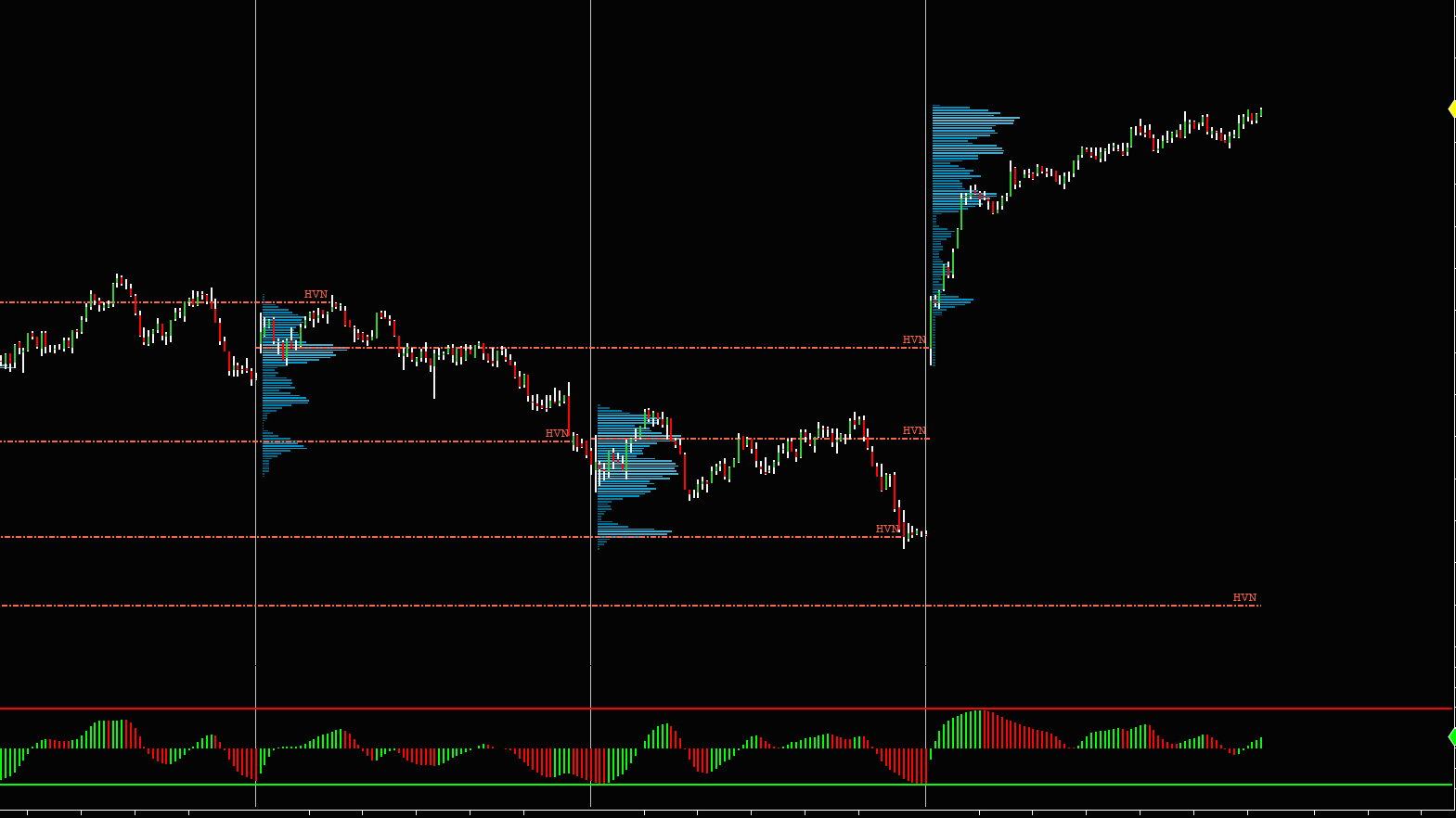
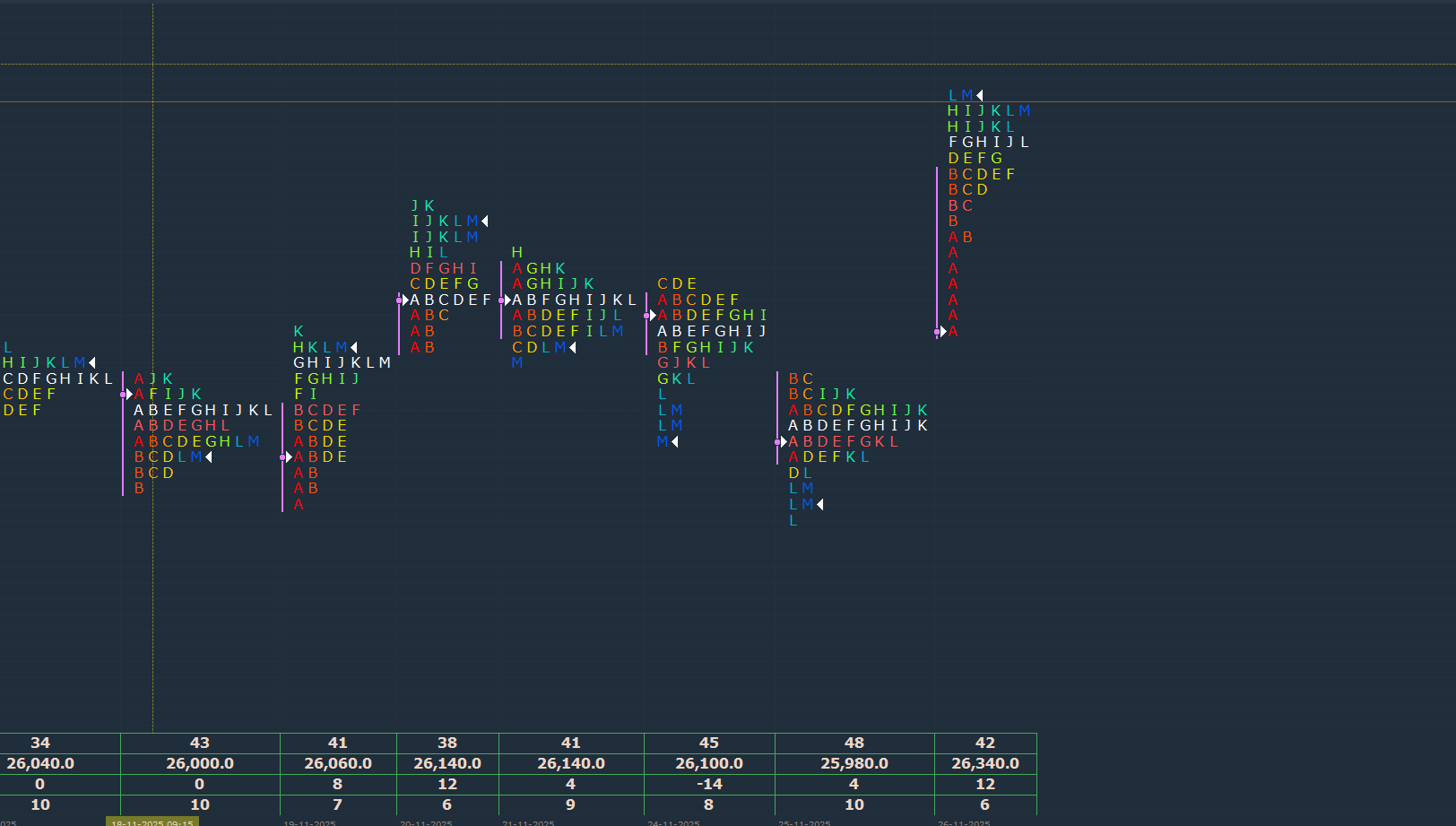
Today’s Point of Control (POC) around 26,170 shows that the largest traded volume accumulated near the upper part of the day’s range, which is a typical sign of acceptance of higher prices rather than a temporary spike. This often converts that zone into an important intraday reference for the next session, acting as either support on dips or a control point for balancing.
Immediate support can be considered near the 26,000 psychological level, which also coincides with your marked support area and with heavy options activity around this strike. If the index sustains above 26,000–26,050, buyers are likely to keep control, while any deep intraday pullback below this zone would indicate profit‑booking or a pause after the trend‑day move; resistance is difficult to define after a fresh impulsive rally, so it makes sense to treat 26,200–26,250 as a reference zone rather than a hard ceiling.
Open interest (02 December expiry)
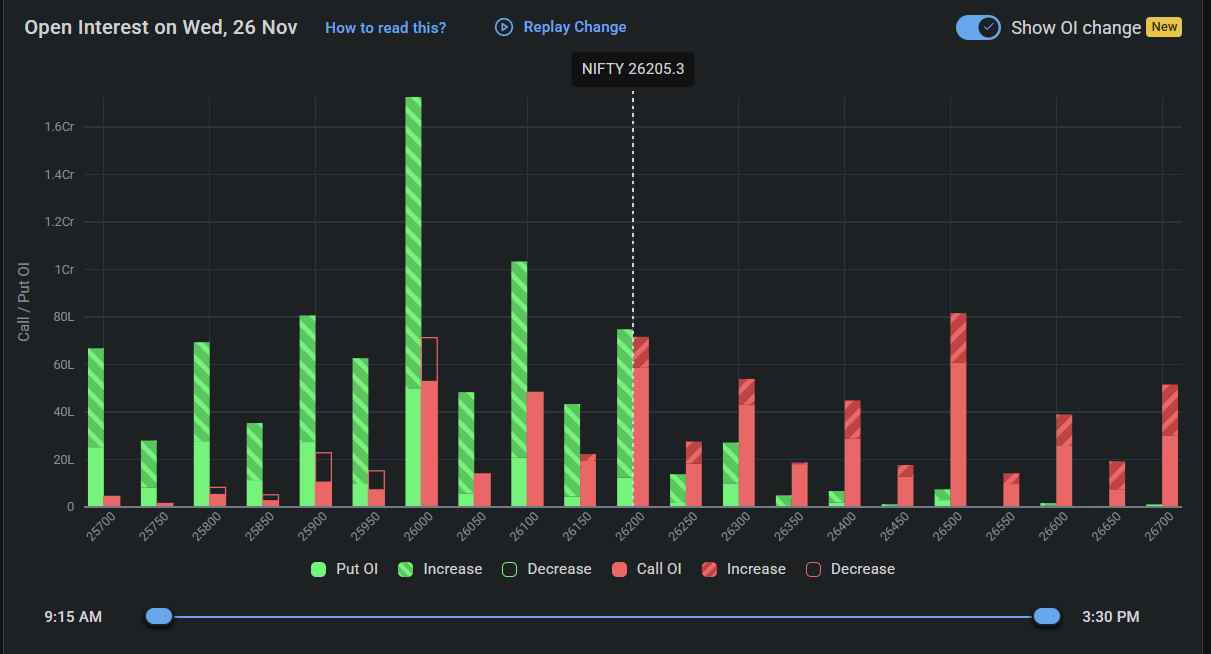
For the 02 December expiry, call open interest is currently elevated at 26,000, but you observed that call OI at this strike has started to reduce while 26,000 put OI is rising. This shift suggests that call writers at 26,000 are booking losses or rolling up strikes, while put writers are getting more confident to sell downside protection at this level.
The highest put OI now showing around 26,500 indicates that the options market is beginning to price 26,000–26,500 as a new trading range, with 26,000 acting as a short‑term floor and 26,500 as a potential cap if the rally extends. Such OI dynamics are classic after a trend‑day: shorts trapped at lower calls exit in panic, new put writing builds at higher bases, and the market structurally resets one notch higher.
Sectoral movement
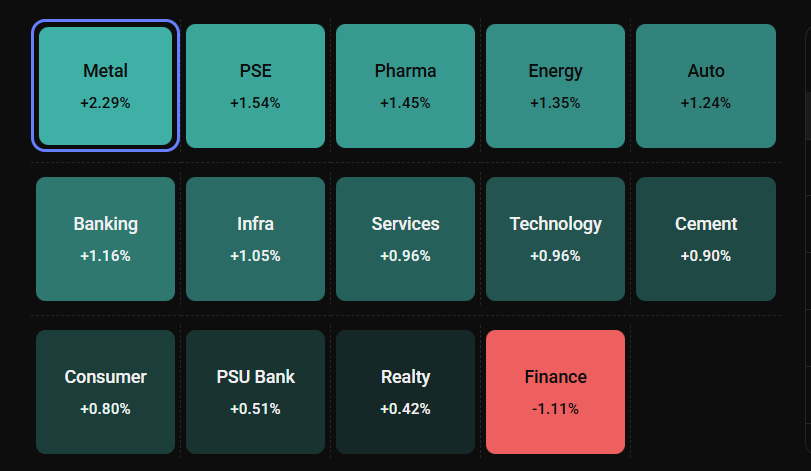
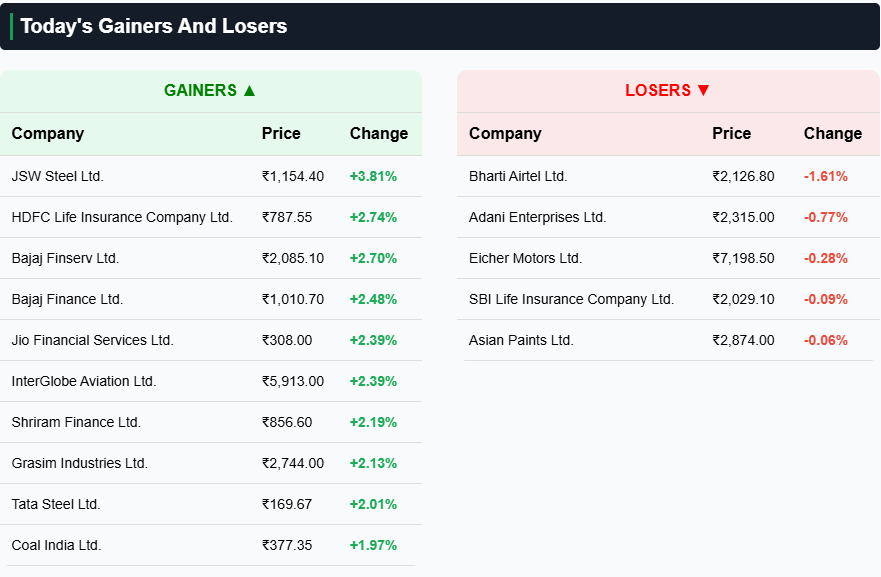
Sectorally, metals were among the strongest gainers today, supported by firm global commodity prices, expectations of sustained infrastructure spending and improving earnings visibility for metal and mining companies. Finance was a relative underperformer in your observation, although broader indices show that banking and financials still ended green but lagged the strongest pockets, indicating stock‑specific profit booking or rotation into cyclicals and metals.
Most major NSE sector indices closed in the green, confirming that this was a broad‑based rally rather than a narrow move led by just a few large caps. Such broad participation typically supports the sustainability of an uptrend, especially when accompanied by strong cash‑market volumes and positive global cues.
Global news backdrop
Globally, risk assets continued to rally as traders priced in a higher probability of US Federal Reserve rate cuts in the coming months, lifting equities on Wall Street and across Europe. US indices rose smartly, led by technology and growth sectors, which helped Asian markets open higher or recover intraday, and this positive global sentiment flowed into Indian equities as well.
Headlines also highlighted that Indian banks are exploring financing for non‑sanctioned Russian oil trade, reflecting India’s continued effort to secure energy supplies at competitive prices, which can indirectly support the macro outlook if it helps keep import costs and inflation under control. Combined with lower crude and strong global markets, these developments strengthened the narrative of India as a relatively attractive growth market, justifying today’s sharp index move.
Bonus point – risk management
Your note on not carrying overnight positions without proper hedges is extremely relevant in this environment. Even though India VIX is low, event risk, global news flow and aggressive intraday swings can create large gap‑ups or gap‑downs, so using defined‑risk strategies, long options as protection, or proper hedged spreads is critical for capital preservation.
Treat today’s move as a learning case study: a low‑VIX environment does not mean low risk; it often means options are cheap and can be smartly used for hedging directional futures or naked option exposure instead of running unprotected overnight risk.
Educational and disclaimer note
This blog post is for educational purposes only and does not constitute investment or trading advice. Securities markets are risky; always consult a SEBI‑registered financial advisor before making investment decisions, and remember that you are simply sharing personal views and P&L for learning and transparency, not promoting any platform, product or paid course.
Comments are closed