


“The market is a mirror—it reflects your discipline, not your dreams.”
Introduction
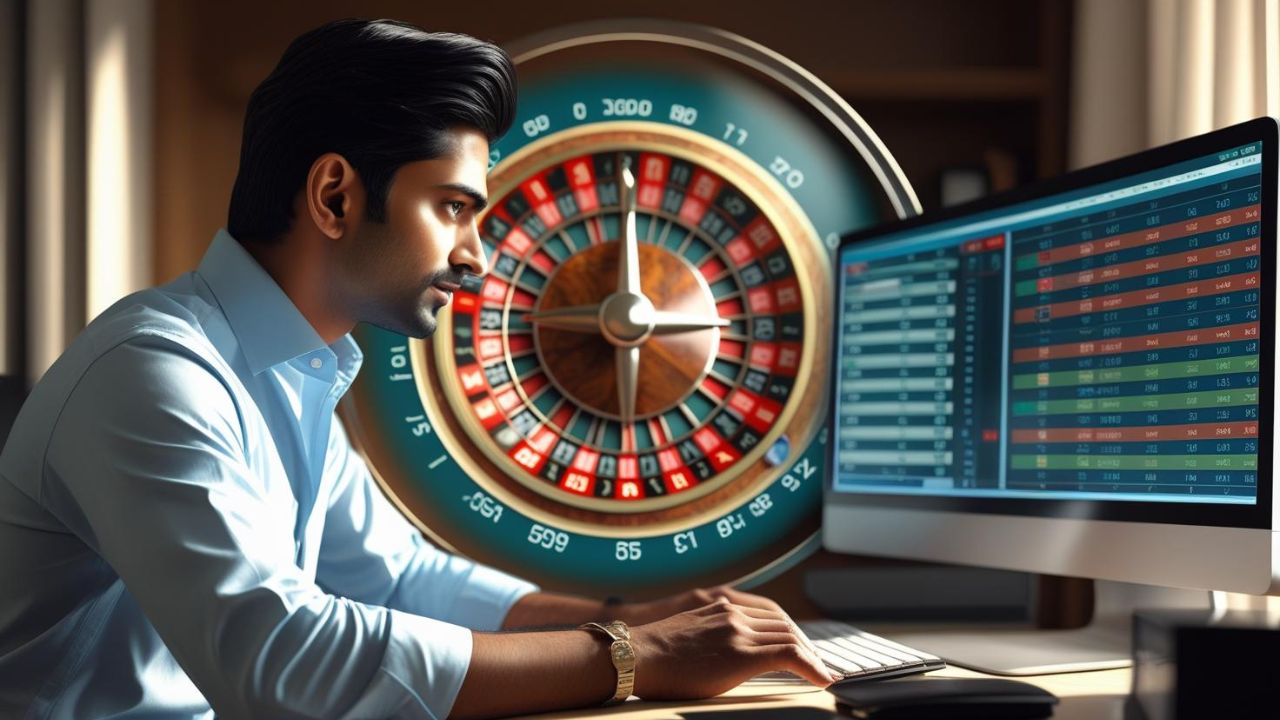
Many new traders and investors enter the stock market with high hopes but little understanding of market psychology. What often guides their decisions is not a solid trading system but gut feeling, emotions, and psychological biases. One such common psychological trap is the gambler’s fallacy.
Let’s explore how this mindset impacts our trading, why it’s dangerous, and how to approach the stock market like a professional, not a gambler.
A Simple Dice Game That Reveals a Deep Psychological Truth
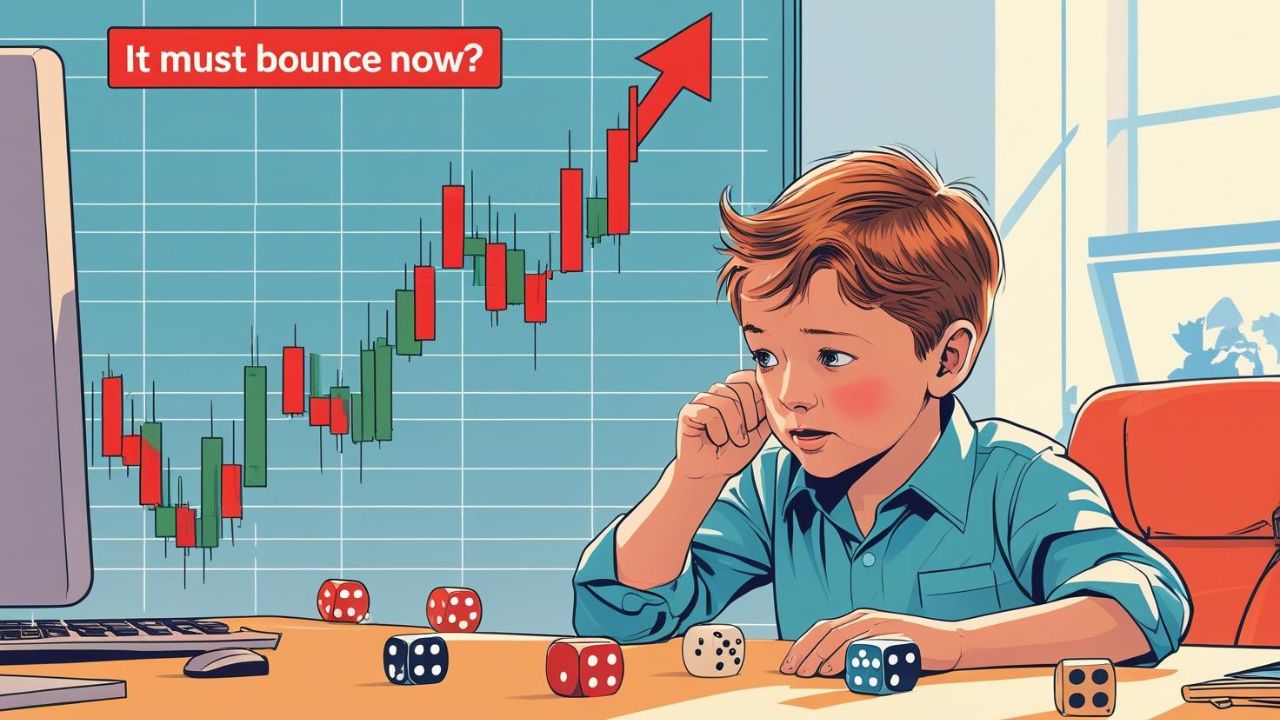
The other day, I was playing a simple dice game with my young son. Every time I threw the dice, he would guess “6”. It didn’t come up the first time, so he said, “Definitely next time it will come.” Again, 6 didn’t appear, yet he insisted it would on the next try.
When I asked him why he kept saying 6, he replied: “Because it hasn’t come for a long time, now it must come.”
This is a textbook example of the gambler’s fallacy—the belief that past outcomes affect future probabilities in independent random events.
The truth is, every dice roll is an independent event. The probability of a 6 coming up is 1 in 6, regardless of what happened before. The dice has no memory, no emotion, no logic—it’s pure math.

What’s This Got to Do With the Stock Market?
A lot more than you think.
Many traders and investors behave exactly like my son playing dice. When a stock falls sharply, they rush to buy, thinking, “It has fallen too much, now it must bounce.” When prices rise fast, they want to sell, assuming, “It can’t go up forever, a fall is due.”
This is the gambler’s fallacy in the stock market.
But the market doesn’t owe you a reversal just because something has gone up or down. Stock prices are influenced by a multitude of complex factors—earnings, news, macro trends, institutional activity—not just recent moves. Like dice, each moment in the market is independent.
Why Penny Stocks Still Attract Massive Volume
Have you noticed how some penny stocks—companies with no real fundamentals—still attract huge volumes? Why do traders keep buying a ₹2 stock hoping it will become ₹4?
It’s psychological. People imagine it’s easier for a ₹2 stock to double than for a stock like MRF to go from ₹1.5 lakh to ₹3 lakh.
But they forget—a 100% return is 100%, whether it’s from ₹2 to ₹4 or ₹1.5 lakh to ₹3 lakh. In fact, the risk is often higher in low-quality small-cap or micro-cap stocks.
This thinking shows how irrational beliefs can drive behavior, even when logic says otherwise.

Trading Based on Emotion vs Trading Based on System
Many traders sit in front of the screen and take trades just because they feel something will happen. They react to every market tick. Their trades are based on hope, fear, greed, or boredom—not on any real strategy.
This is dangerous.
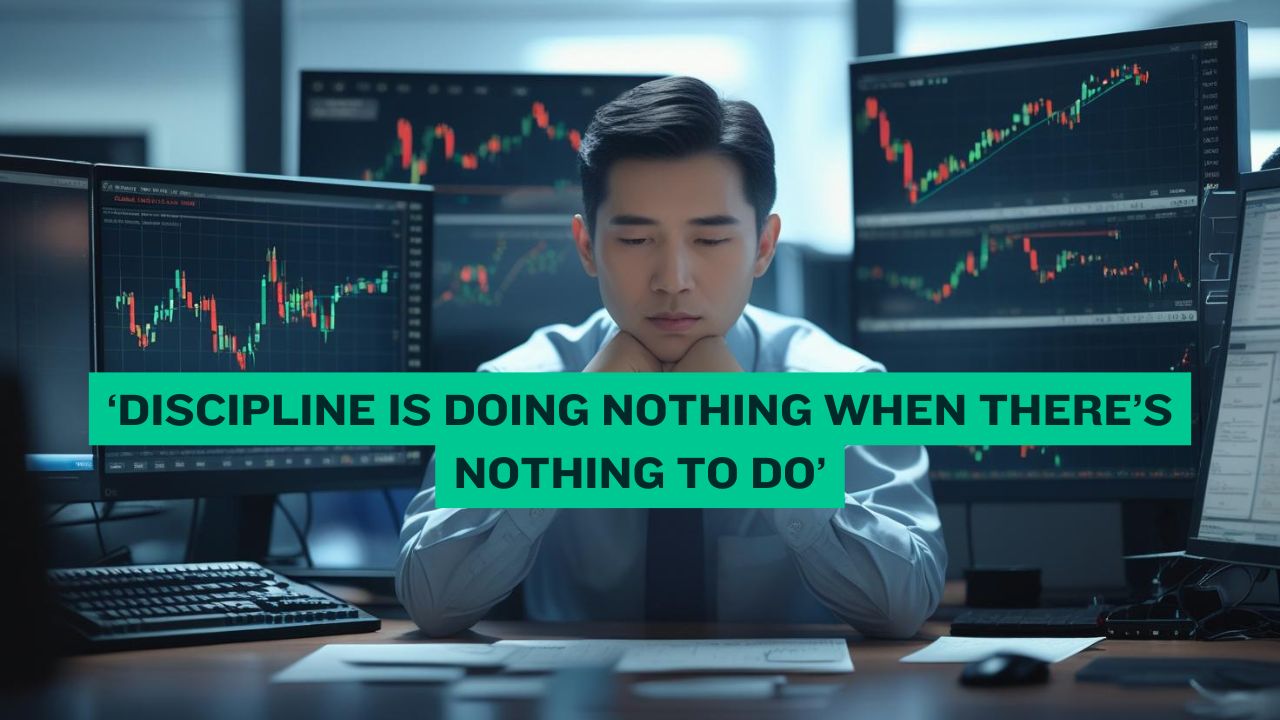
“Discipline is doing nothing when there’s nothing to do.”
Sitting in front of the screen and doing nothing is not laziness—it’s discipline. If you don’t have a valid setup, you should not trade. Scalpers may make quick trades based on micro-movements, but even they have strict rules and strategies.
If you are serious about making a career in the stock market, your trading decisions must come from a tested setup, not your gut feeling.
Why Most People Lose in Trading—Same as in Casinos
Think about casinos or horse races. People go in with intuition or lucky guesses and lose everything. They chase losses, double down, and let emotions drive decisions. The same thing happens in trading.
In the Mahabharata, we saw Yudhishthir lose everything because he couldn’t stop gambling—even when the odds were against him. The same human nature exists today. Traders take risky positions, refuse to book losses, and fight the market to prove themselves right.
But remember, the market doesn’t care about your ego.
It has no emotion. It won’t be kind to you because you’re poor or punish you because you’re rich. The market rewards only discipline, knowledge, and preparation.
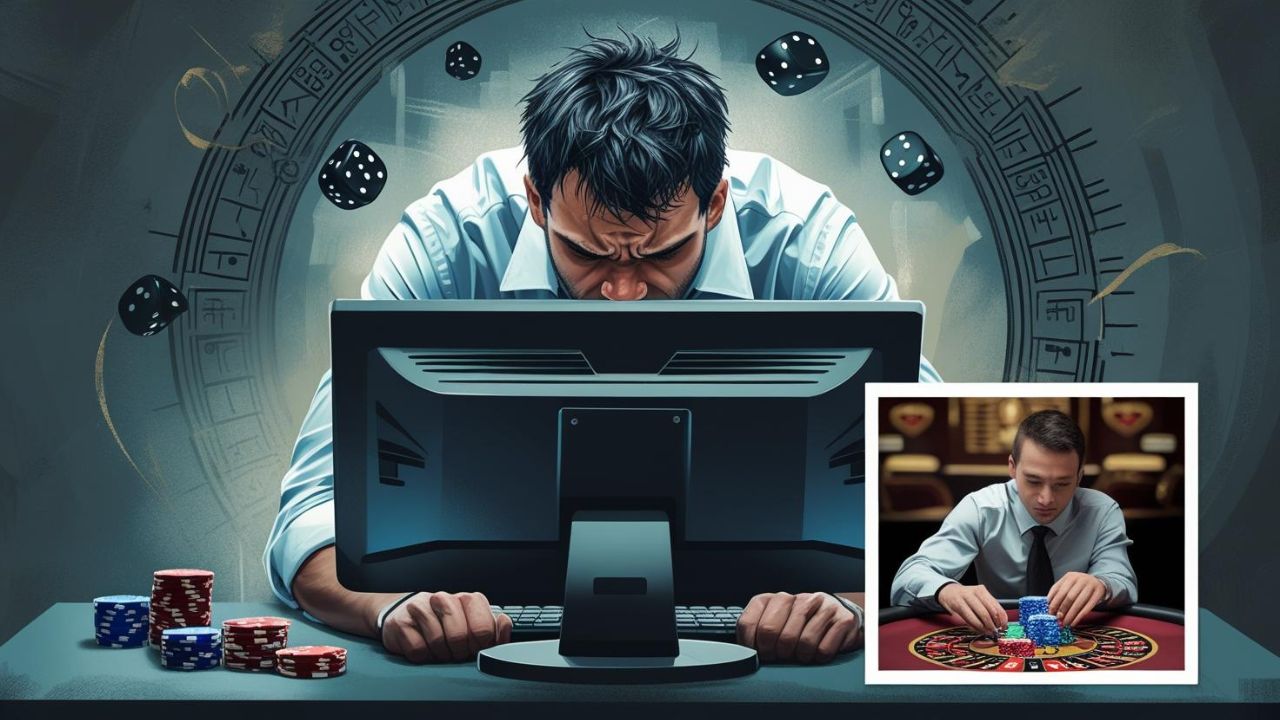
A Hard Truth: No Money? No Study. Have Money? No Patience.
Here’s another common irony.
When we don’t have money, we say, “Why study the market? I can’t invest anyway.”
When we have money, we rush to trade without studying at all.
Both approaches are wrong.
Before entering the market, spend months studying price action, psychology, and setups. Watch the market every day without trading. Take notes. Observe how stocks react to news, earnings, events, and technical levels.
If you do this consistently, you’ll develop the intuition and skill needed to survive long-term.
Stock Market Is a Profession, Not a Casino
If you treat the market like gambling, it will punish you like a casino. If you treat it like a profession, it will reward you like a business.
Professional traders, fund managers, and institutions follow strict rules, systems, and risk management. They don’t take random trades based on emotion.
If you’re serious, start small. Backtest your strategy. Track your trades. Stick to a plan. Avoid noise. Be a student of the market.
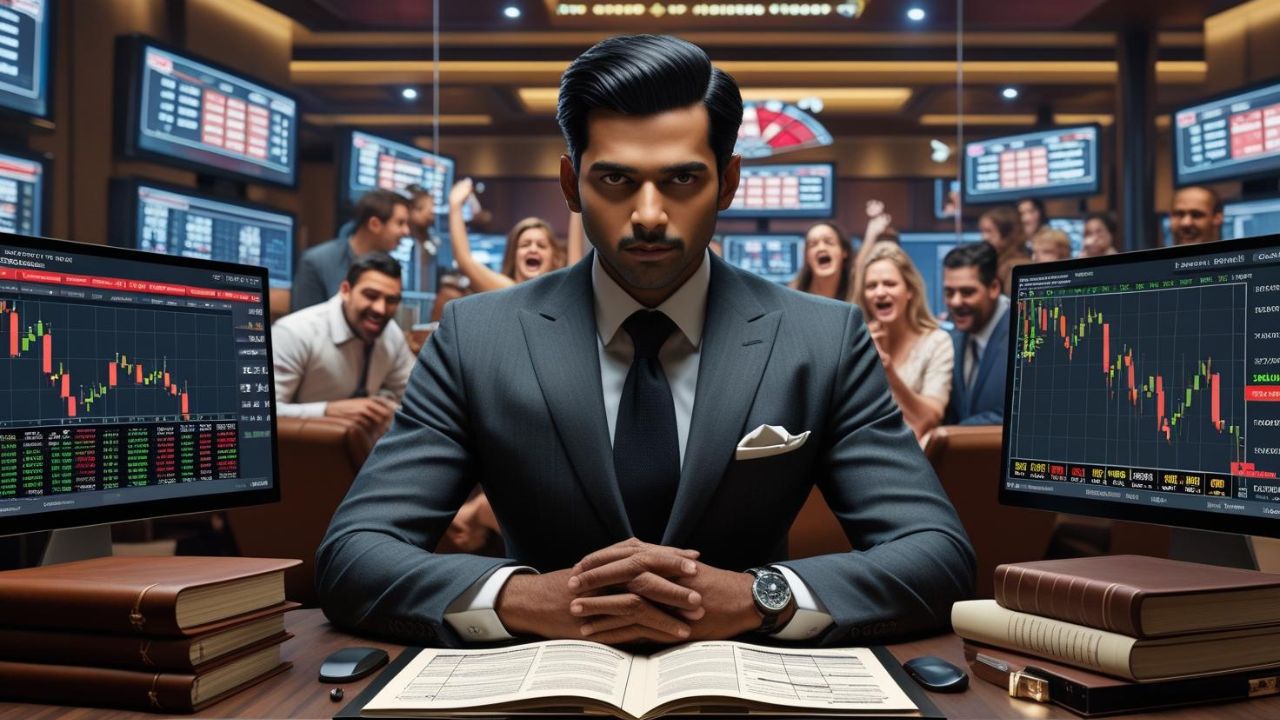
Final Thoughts: Win the Mind Game First
Success in the stock market is more about mental discipline than technical knowledge. Understand your biases. Be aware of emotional traps like the gambler’s fallacy, overconfidence, revenge trading, and loss aversion.
If you can win the psychology game, you have a much better chance of winning the money game.
Key Takeaways
- The stock market is not gambling—it’s a professional field that requires study and discipline.
- Avoid the gambler’s fallacy—past events do not change future probabilities.
- Don’t chase falling stocks or blindly buy penny stocks without fundamentals.
- Sit in front of the market screen and observe without trading—this builds patience and insight.
- Trade only when your setup aligns—not based on gut feelings.
- Psychology in trading is more important than any indicator.
- Stock market success requires planning, practice, and emotional control.
Comments are closed